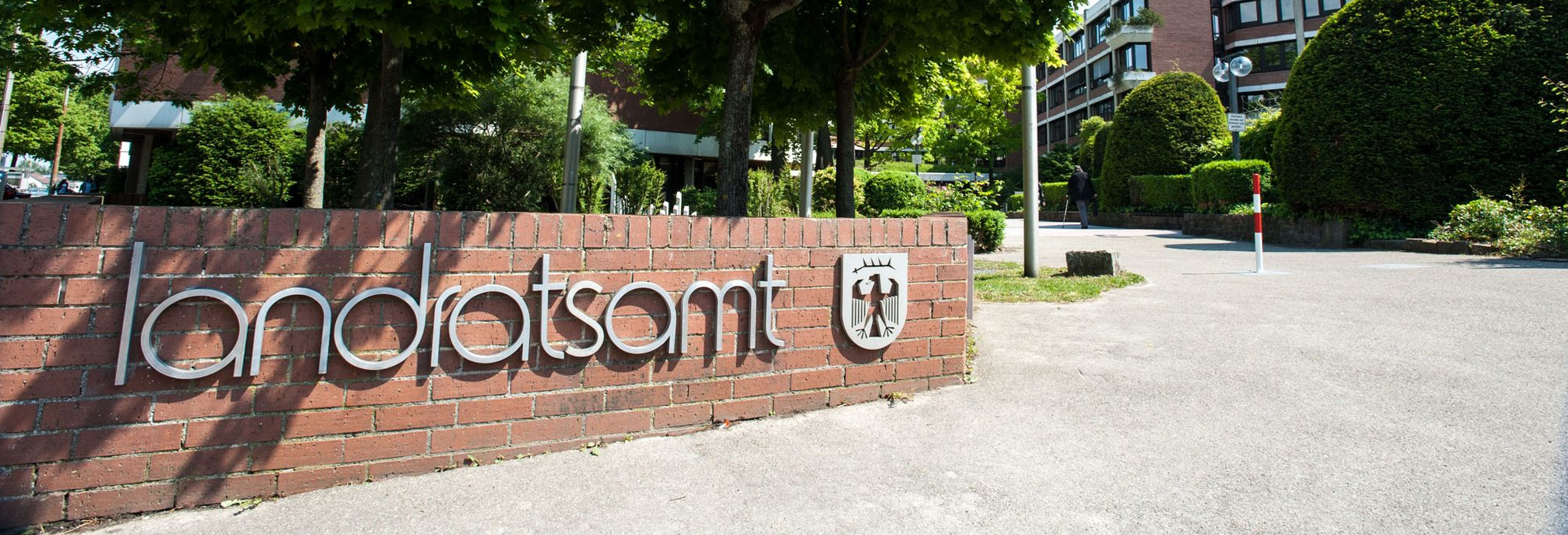





The "right to fast Internet" was passed by the Bundestag. "The handover of today's funding decisions shows that all partners - the state, districts and municipalities - are successfully pursuing the goal of advancing municipal broadband expansion together," emphasized District Administrator Allgaier. The district of Ludwigsburg is the second largest district in Baden-Württemberg in terms of population. "We are known for innovation and economic strength - both world-famous global players and small and medium-sized companies are located here," said Allgaier.
Especially for the sought-after industrial and business location and the many people who were and are dependent on fast internet due to home schooling and working from home, it is important to provide a good infrastructure. The proportion of fiber optic coverage in the Ludwigsburg district has increased to 13.3 percent thanks to intensive construction efforts. "However, this is still a below-average figure," noted Allgaier. In 2020, 176 kilometers of fiber optics were laid. Eight business parks were connected to fiber optics last year, with a further 17 to follow by the end of 2021. "Because as a business location, we have to remain attractive and competitive."
Under-served areas with connections of less than 30 megabits per second benefit from the state's funding for broadband expansion. 15 towns and municipalities in the Ludwigsburg district will receive funding of between 80,000 and 1.6 million euros. "We now have to set the standards for the infrastructure of the coming decades," said Allgaier, setting out the objective. The Zweckverband Kreisbreitband, which was founded in the district of Ludwigsburg in 2018, is an important partner for our municipalities and schools so that the expansion targets of the Gigabit Region Stuttgart can be achieved by 2030.
The measures in the district of Ludwigsburg:
Ludwigsburg | Municipality of Erligheim | Economic viability gap model - development of the white spots in the municipality of Erligheim | 100.000,00 € |
Municipality of Gemmrigheim | Profitability gap model: closing all white spots in the municipal area of Gemmrigheim. | 160.000,00 € | |
Municipality of Hemmingen | Profitability gap model - development of the white spots using fiber optics in the municipality of Hemmingen. | 160.000,00 € | |
Municipality of Hessigheim | Profitability gap model - development of white spots using fiber optics in the municipality of Hessigheim. | 168.000,00 € | |
Municipality of Kirchheim am Neckar | Profitability gap model: closing all white spots in the municipality of Kirchheim am Neckar | 1.600.000,00 € | |
Municipality of Löchgau | Profitability gap model - closing the white spots in the municipality of Löchgau | 120.000,00 € | |
Municipality of Möglingen | Profitability gap model - development of white spots using fiber optics in the municipality of Möglingen | 80.000,00 € | |
Municipality of Murr | Profitability gap model - development of the white spots in the municipality of Murr | 92.000,00 € | |
Municipality of Schwieberdingen | Profitability gap model - development of white spots using fiber optics in the municipality of Schwieberdingen | 240.000,00 € | |
Municipality of Sersheim | Profitability gap model - closing the white spots in the municipality of Sersheim. | 180.000,00 € | |
Municipality of Walheim | Profitability gap model - closing the white spots in the municipality of Walheim | 120.000,00 € | |
Town of Sachsenheim | Profitability gap model - closing the white spots in the town of Sachsenheim | 1.520.000,00 € | |
Town of Steinheim an der Murr | Profitability gap model: development of the white spots in the urban area of the town of Steinheim an der Murr | 160.000,00 € | |
Town of Vaihingen an der Enz | Profitability gap model - closing the white spots in the urban area of the town of Vaihingen an der Enz. | 400.000,00 € | |
Stadtwerke Bietigheim-Bissingen GmbH | Operator model - connecting schools and hospitals in the town of Bietigheim-Bissingen with fiber optics | 320.000,00 € |