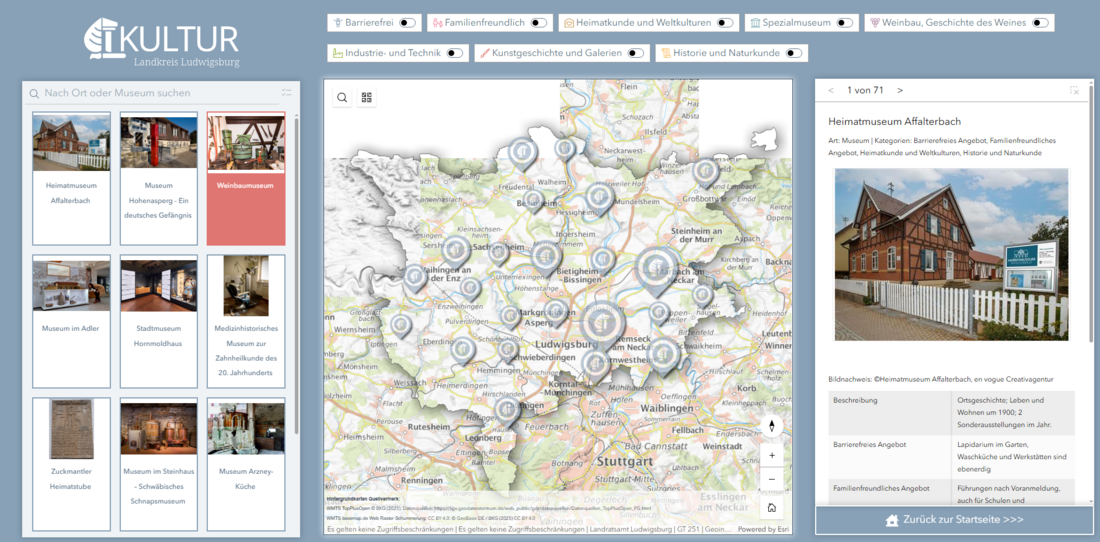



There are over 70 museums in the district of Ludwigsburg that keep the history of the district alive and preserve regional art and culture. The museums deal with a variety of different topics, such as viticulture, the Celts, fashion, nails or the pretzel.
As part of the "Musea im Flecka" series, we present the museums and galleries and invite you to visit them!
1. old wash house Neckargröningen (Remseck am Neckar)
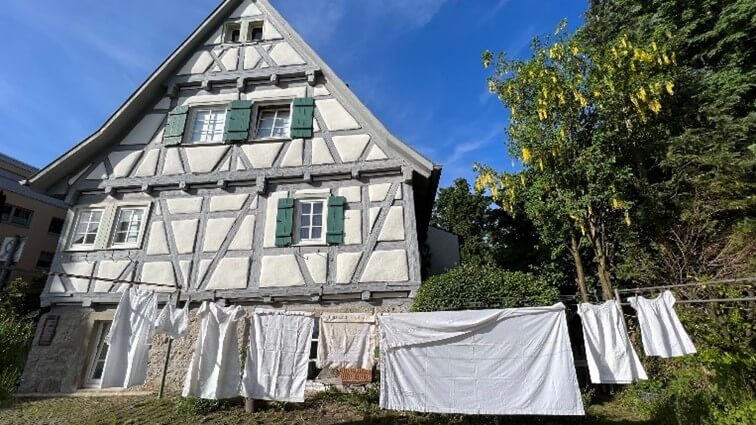
Old wash house Neckargröningen, Photo: City of Remseck am Neckar
The old wash house in the Neckargröningen district was the community laundry from 1940 to 1994. In the basement, the technical development from the washboard to the industrial washing machine and centrifuge with giant drum can be traced using historical originals.
You can download a detailed tour report in the box on the right.
5th Poppenweiler Village Museum (Ludwigsburg)
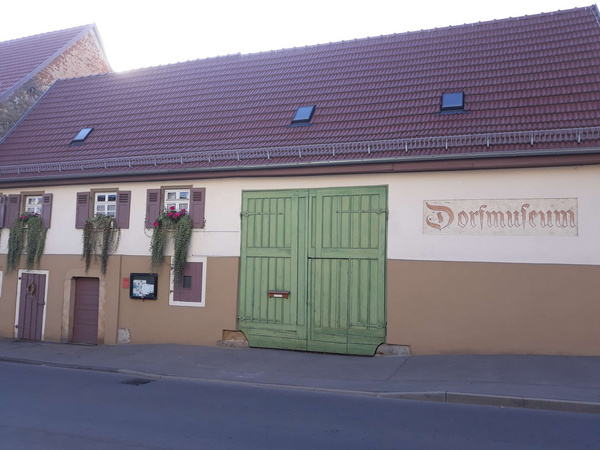
Poppenweiler Village Museum, photo: Ludwigsburg District Office
The village museum in the Ludwigsburg district of Poppenweiler is housed in a typical rural residential and farm building. On display are everyday objects, furniture, crockery, toys, tools, agricultural implements and much more from the daily lives of previous generations.
You will find a detailed travel report to download in the box on the right.
7th Garrison Museum (Ludwigsburg)
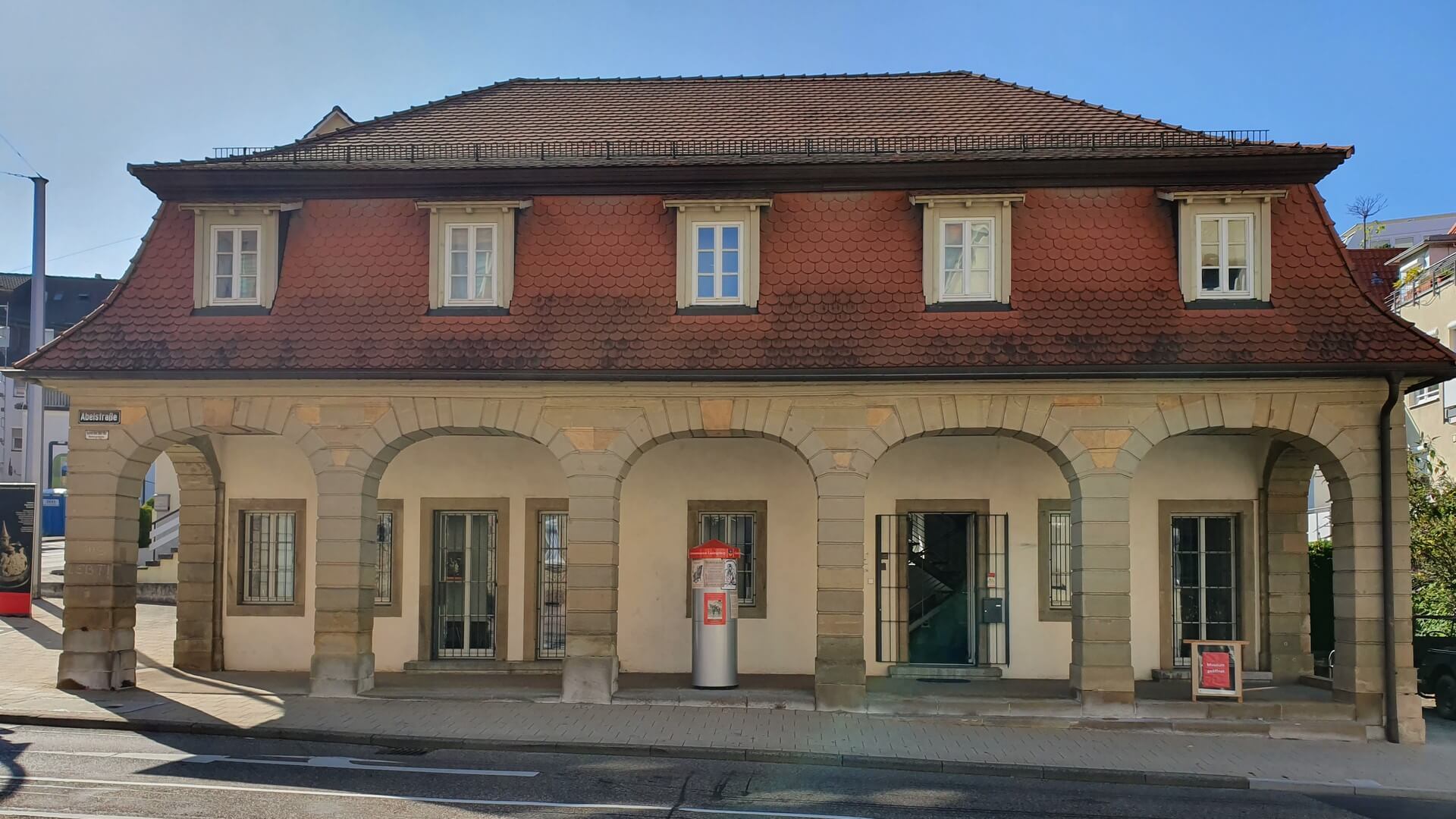
Garrison Museum Ludwigsburg, Photo: Militärgeschichtliche Gesellschaft Ludwigsburg e.V.
The Garrison Museum in the Asperger Torhaus in Ludwigsburg shows the military past of the "Swabian Potsdam" from 1736 to 1994.
You can download a detailed travel report in the box on the right.
11th local history museum (Affalterbach)
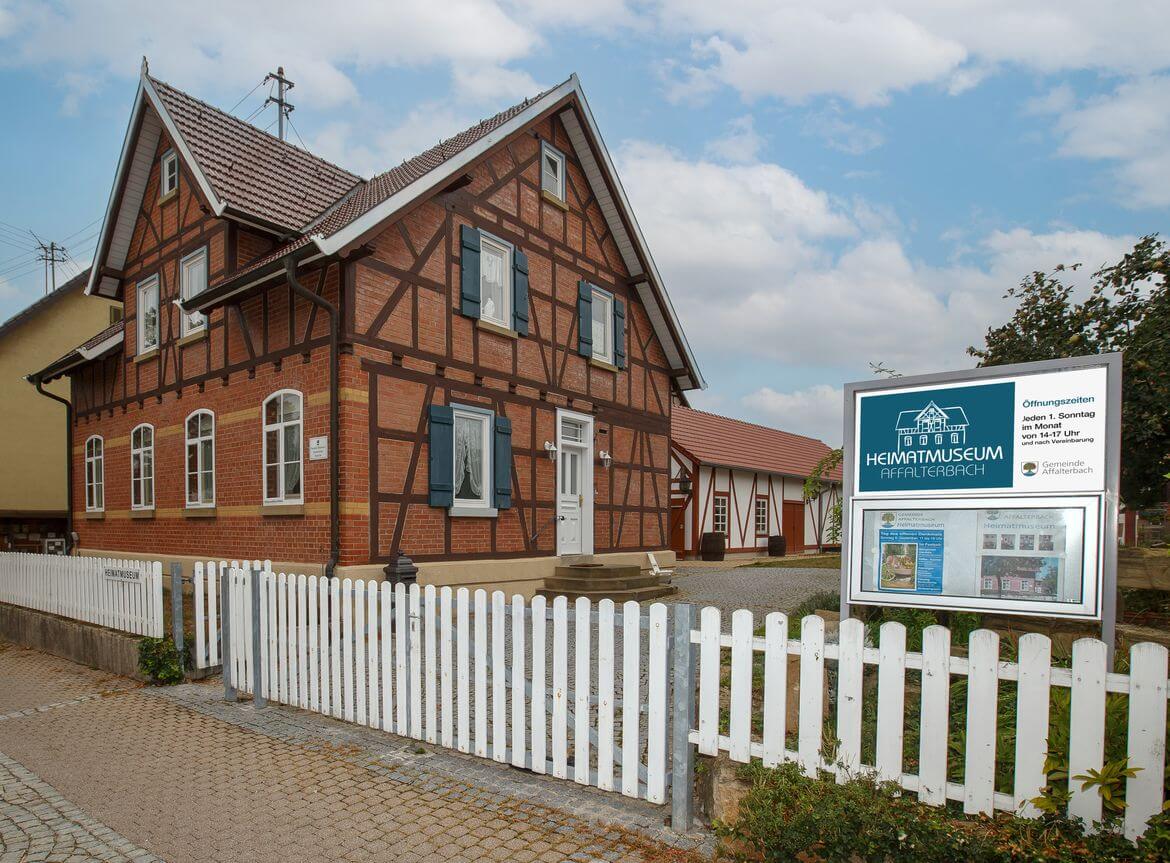
Affalterbach Local History Museum, Photo: Affalterbach Local History Museum, en vogue Creativagentur
The local history museum on Kelterplatz in Affalterbach provides an insight into local history and shows how people lived and worked around 1900.
You can download a detailed travel report in the box on the right.
12th Münchingen Local History Museum (Korntal-Münchingen)
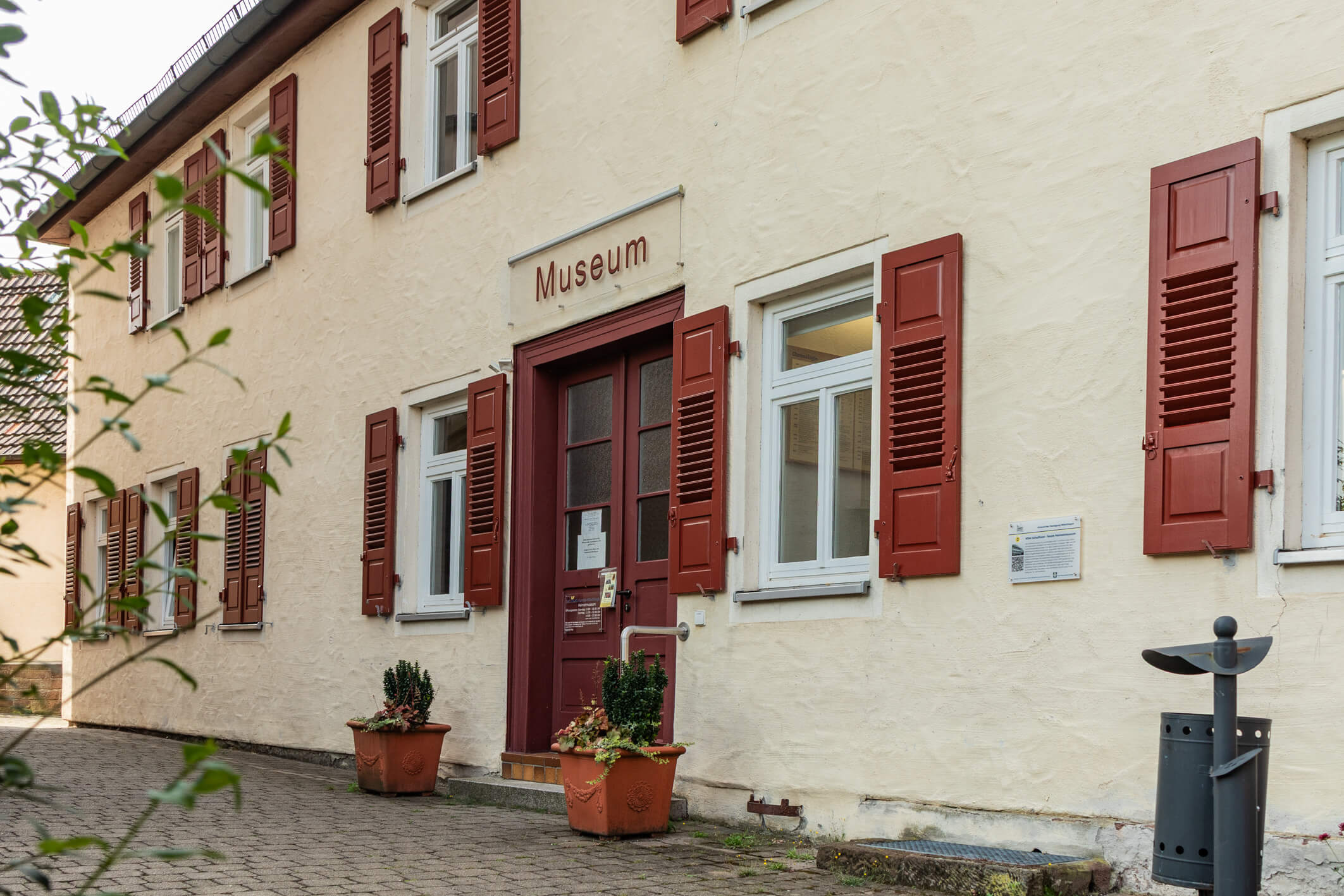
Münchingen Local History Museum, photo: Ludwigsburg District Office
The Münchingen Local History Museum was opened in 1986 in the old schoolhouse building, which is located between the town hall and the church. It displays everyday objects from the history of farming and handicrafts. There are also regular special exhibitions.
You can download a detailed travel report in the box on the right.
15th Historic Forge Neckargröningen (Remseck am Neckar)
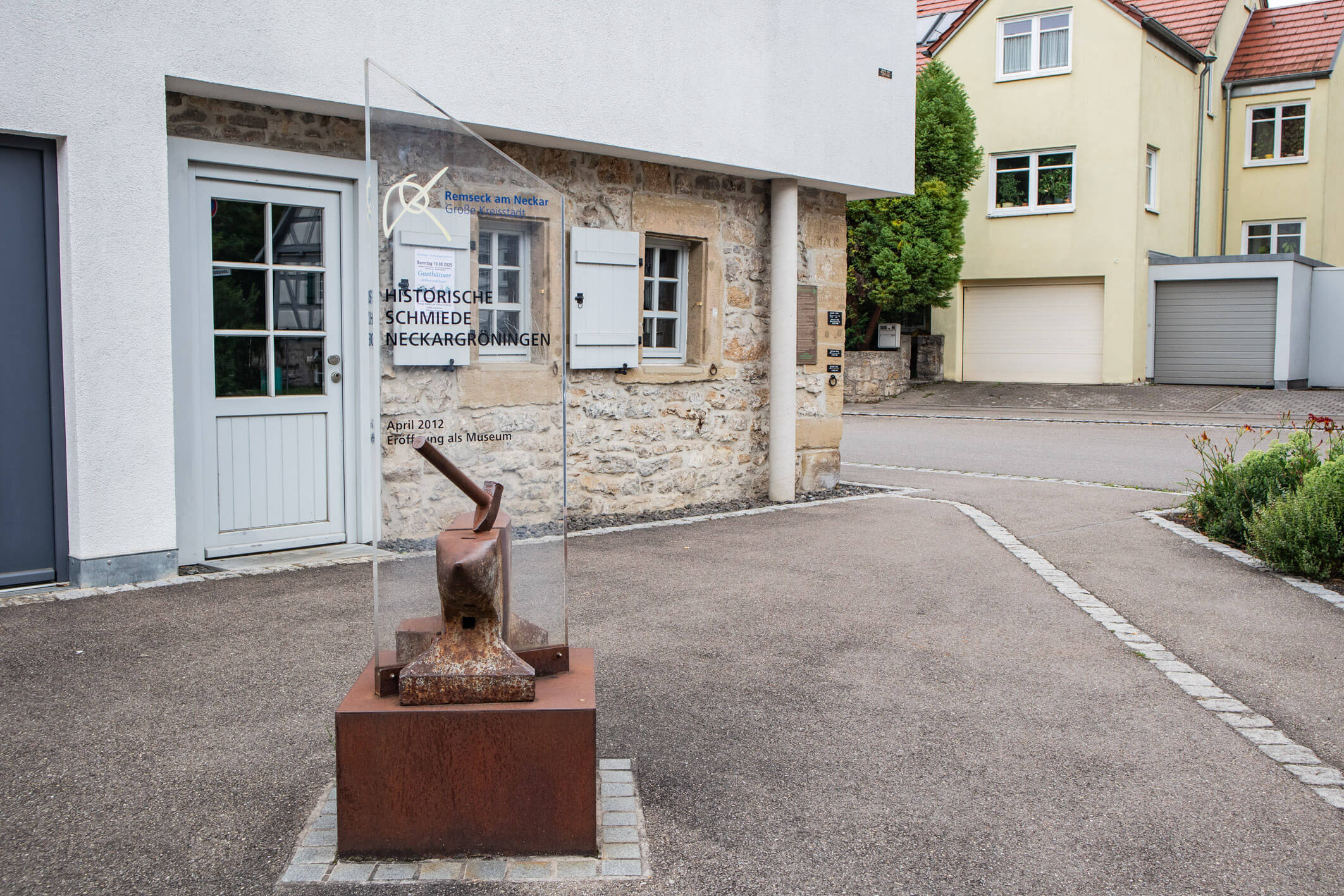
Historic Neckargröningen forge, photo: Ludwigsburg District Office
The historic forge in the Neckargröningen district is over 330 years old and is still fully functional and equipped with a forge, anvil, sledgehammers, hand hammers, various blacksmith's tongs, a workbench with vises, a fire vice and a power drill.
You can download a detailed travel report in the box on the right.
21st Concentration Camp Memorial (Vaihingen an der Enz)

Vaihingen/Enz concentration camp memorial, photo: City of Vaihingen an der Enz
Museum in memory of the victims of the Vaihingen concentration camp. Vaihingen functioned as a labor and death camp for the Graf Zeppelin Research Institute of the Reich Aviation Ministry, which was set up in Ruit (now Ostfildern) in 1941. Experiments with the catapult of the V1 were carried out here in the abandoned quarry of the Baresel company.
You can download a detailed travel report in the box on the right.
25th Magnetangler Museum (Oberstenfeld)
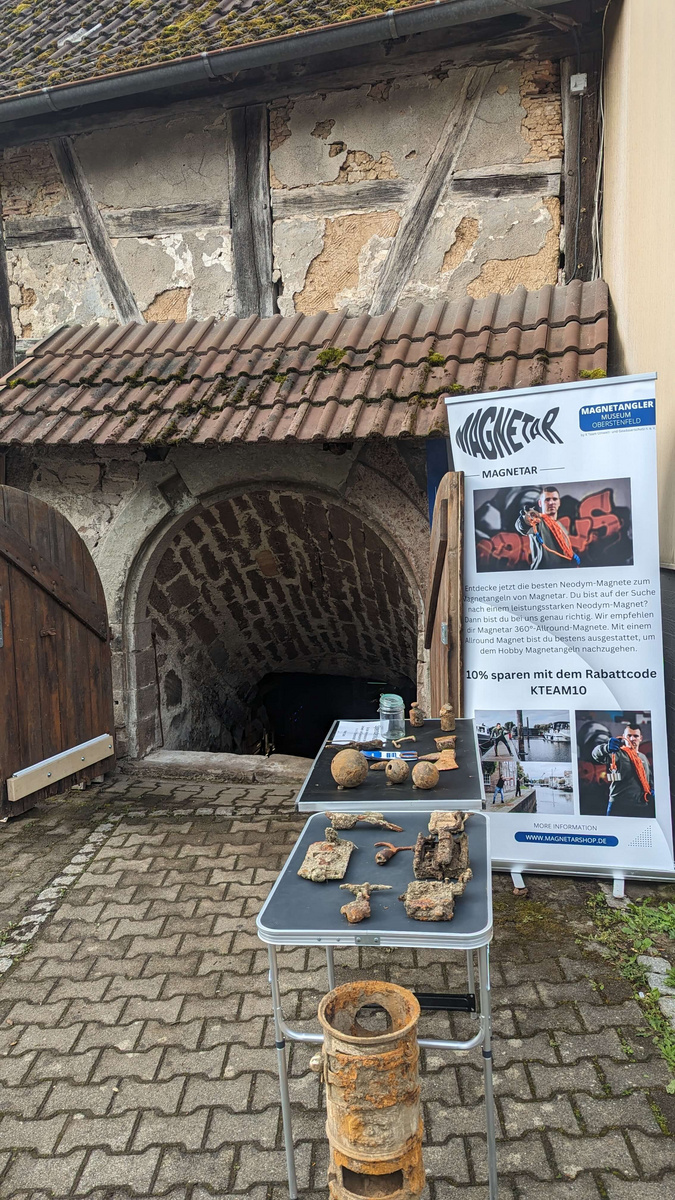
Magnetangler Museum, Photo: Ludwigsburg District Office
The true fascination of the Magnetangler Museum lies in the finds and the stories they tell. The sponsoring association Umwelt- und Gewässerschutz Oberstenfeld n. e. e. V. regularly sets out to clear the waters of garbage and protect them in the long term - with great success and around 20 tons of scrap recovered every year! You can experience first-hand what is hidden in the depths in two unique vaulted cellars.
You will find a detailed travel report to download in the box on the right.
29th Mill and Local History Museum (Sersheim)
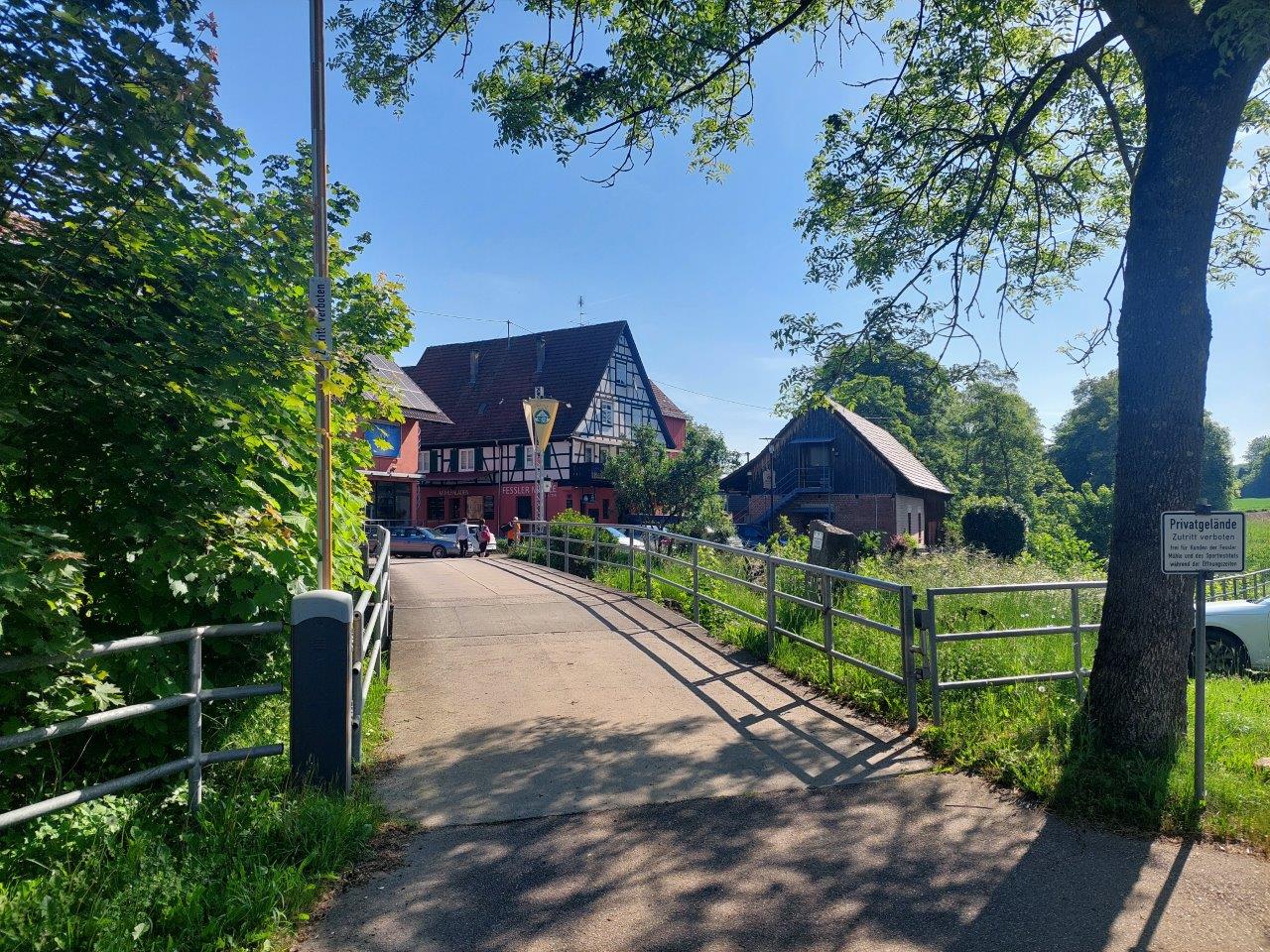
Sersheim Mill and Local History Museum, photo: Ludwigsburg District Office
The history of milling and its legendary tales come to life in the Mill and Local History Museum. Tradition and modernity are vividly combined here.
You will find a detailed travel report to download in the box on the right.
31st Museum Arzney Kitchen (Bönnigheim)
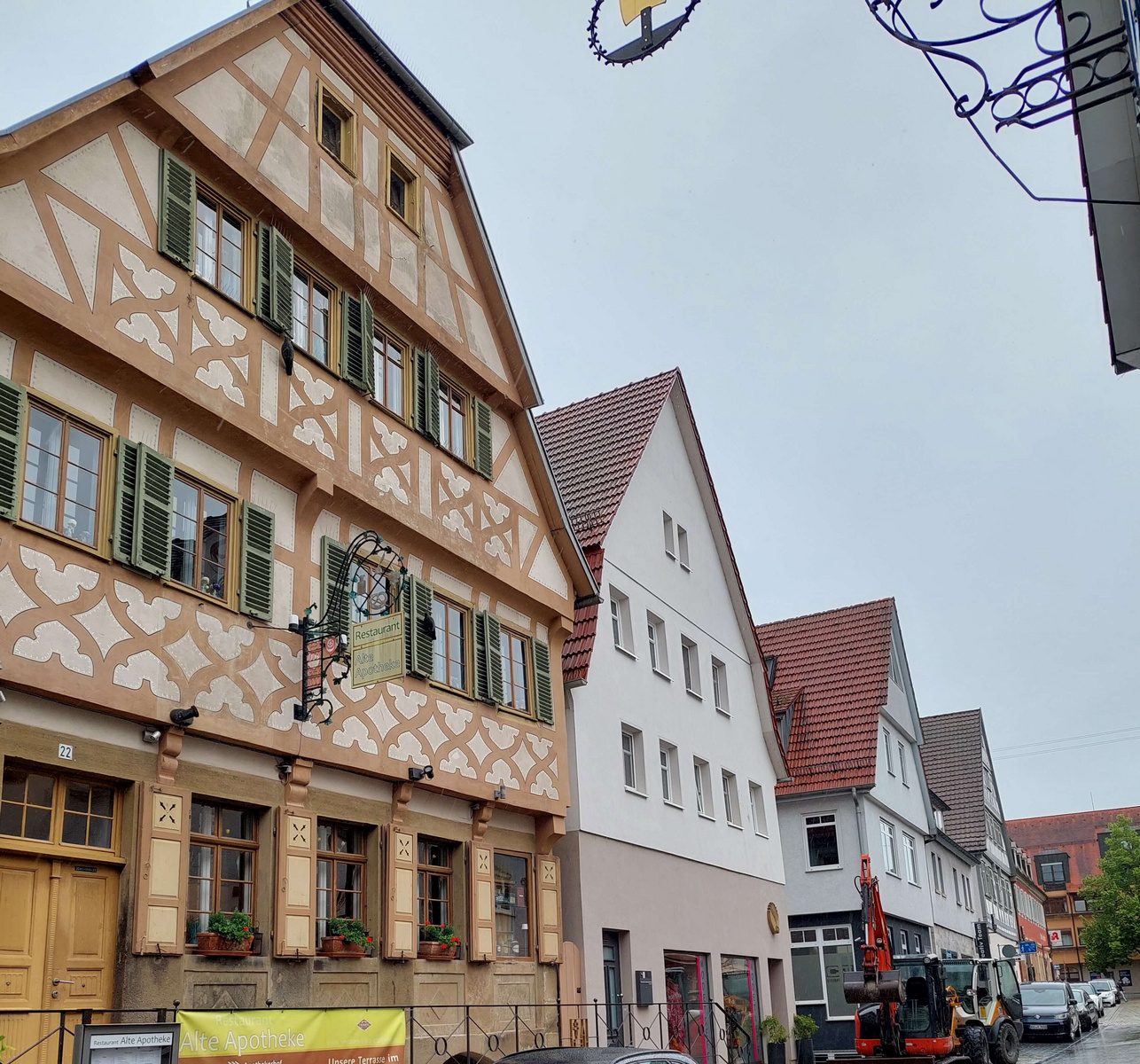
Arzney Kitchen Museum, photo: Ludwigsburg District Office
The small Arzney Küche museum in a former pharmacist's laboratory bears witness to the importance of alcohol in medicine as an active ingredient, solvent and preservative. Interesting facts and exhibits about the production of "aqua vitae", the water of life, through to the working methods of the "alchemists" and the "herbalists" are on display.
You can download a detailed travel report in the box on the right.
35th Museum im Schlössle (Freiberg am Neckar)
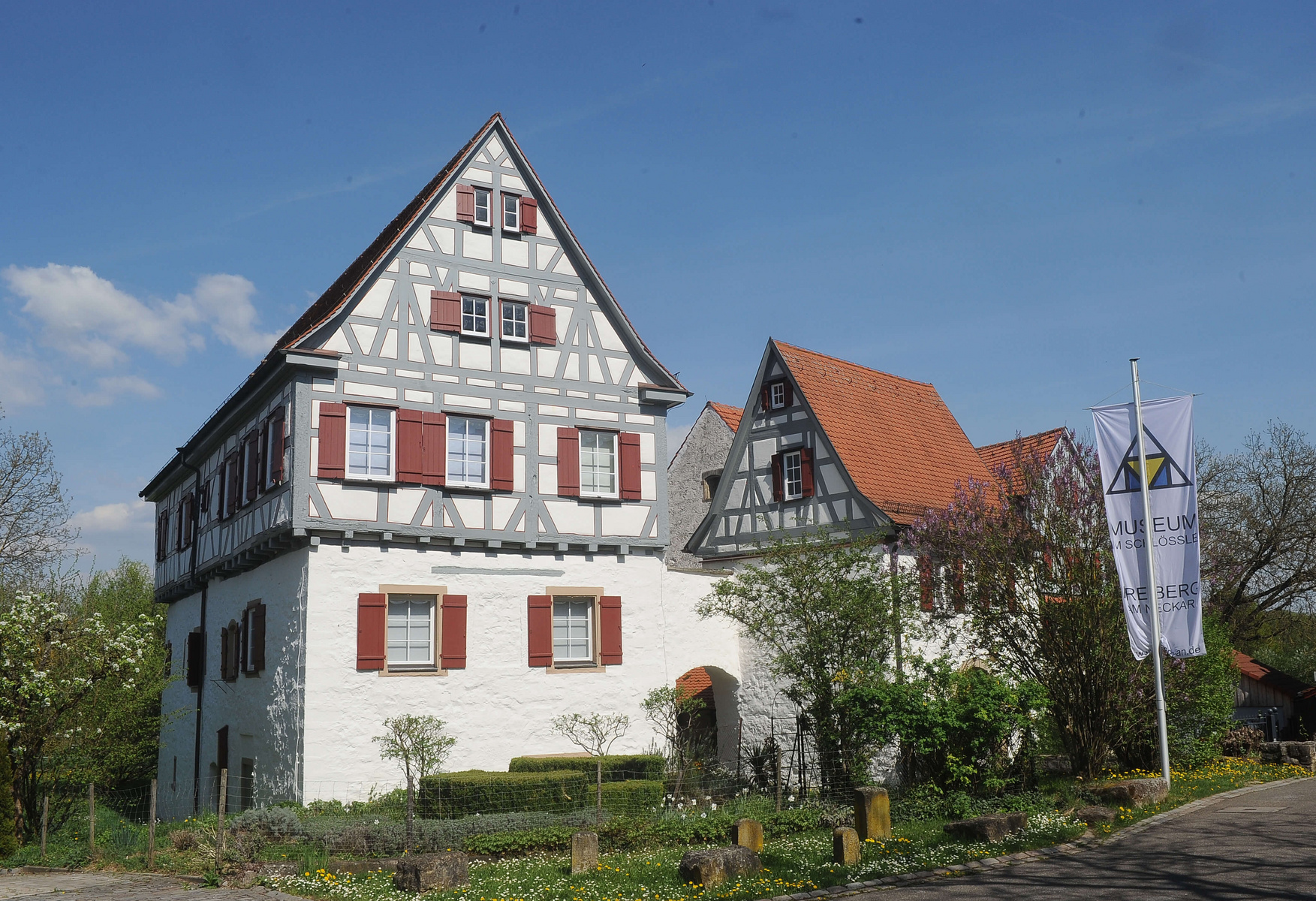
Museum im Schlössle, photo: Werner Kuhnle
Opened in 1989, the museum documents the development of Freiberg from the first traces of human settlement to the founding of the town and the emergence of the modern municipality, with the permanent exhibition focusing on the landlords of the Imperial Knights, agriculture and crafts through the ages, viticulture, women's work in the fields, day labour and factories, the development of household technology, industrialization and times of war and hardship. Changing special exhibitions complete the program.
You can download a detailed travel report in the box on the right.
36th Museum im Steinhaus - Swabian Schnapps Museum (Bönnigheim)
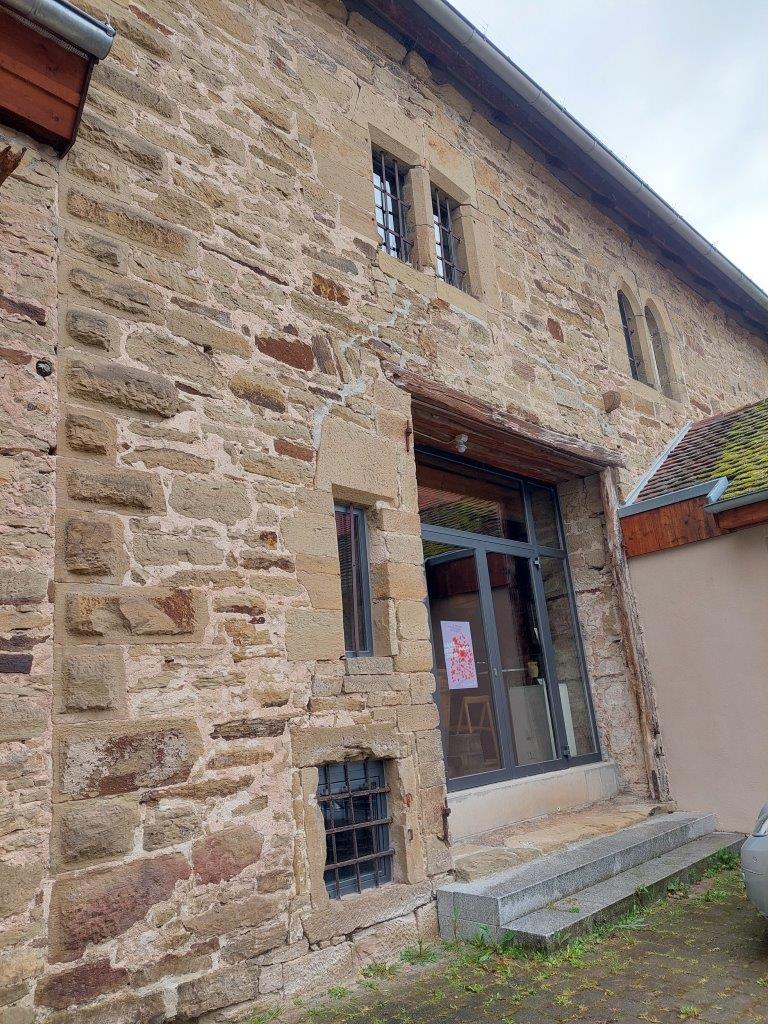
Swabian Schnapps Museum, photo: Ludwigsburg District Office
The stone house was built in 1295 as the residential building of an incompletely developed castle. The "Swabian Schnapps Museum" has been housed in the Meiereihof ensemble since 1993. On display are exhibits on the cultural history of alcohol, distillation techniques, customs and tax law and much more.
You can download a detailed travel report in the box on the right.
37th Museum in the Stiftsscheuer (Mundelsheim)
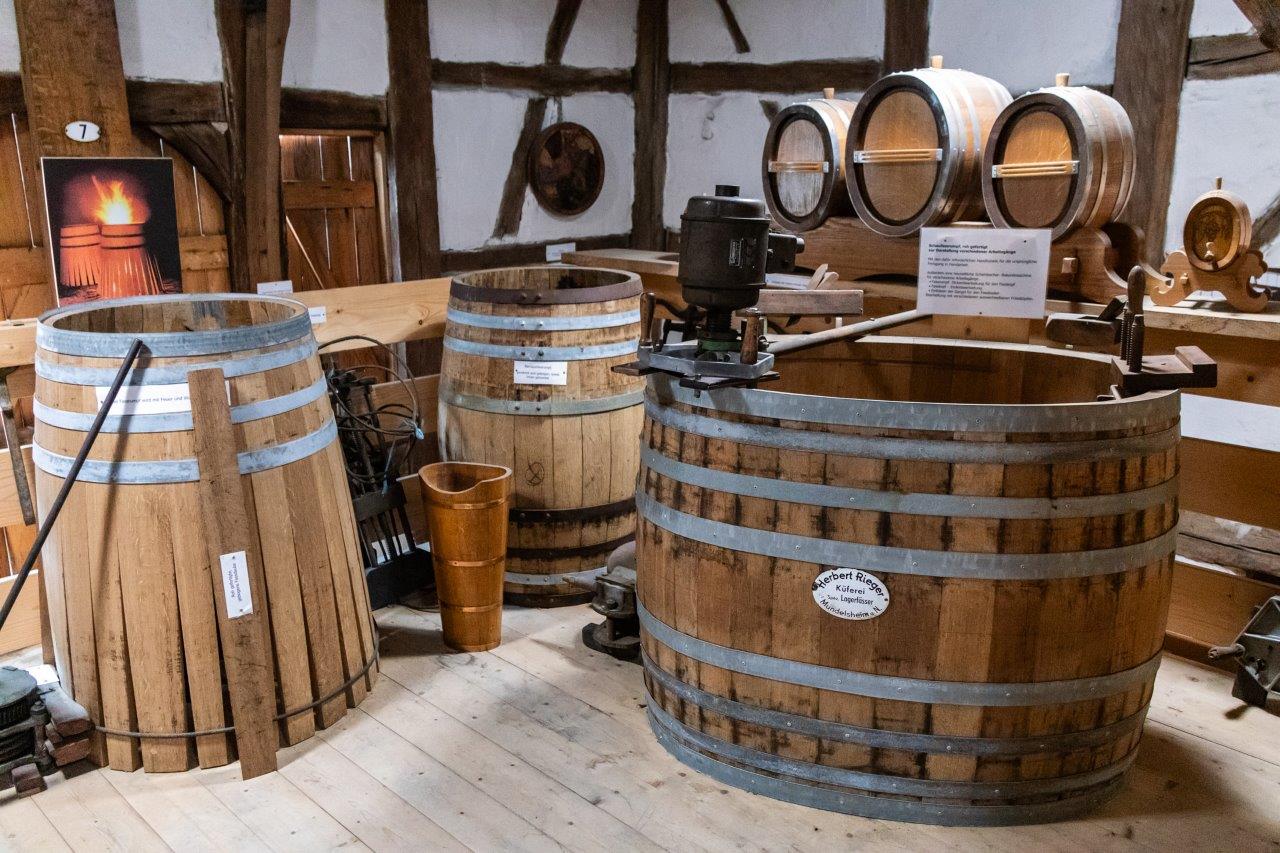
Museum in the Stiftsscheuer, photo: Ludwigsburg District Office
In the listed building "Stiftsscheuer" Mundelsheim, a former tithe barn, you can see exhibits on the history of Mundelsheim, winegrowing, a cooper's workshop and a wainwright's workshop. Showcases and display boards provide interesting information.
You can download a detailed travel report in the box on the right.
44th local museum "Im Alten Pfarrhaus" (Schwieberdingen)
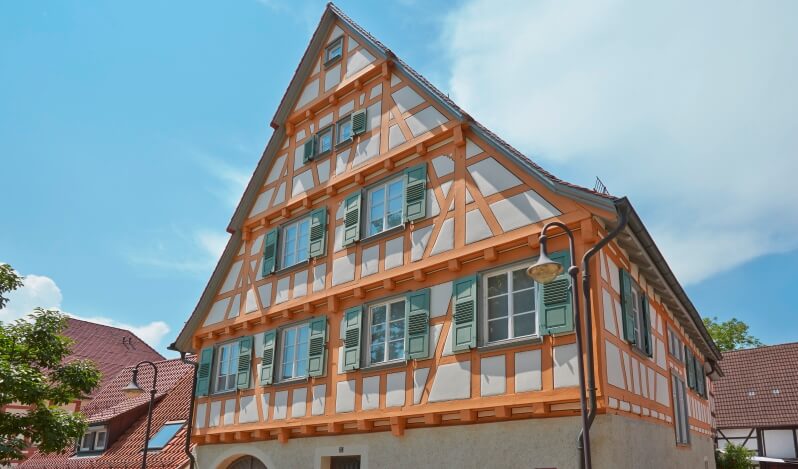
Local museum "Im Alten Pfarrhaus", photo: Municipality of Schwieberdingen
The Schwieberdingen local museum has been housed in the former Protestant vicarage since March 1991. It guides visitors through the working and living environment of Schwieberdingen's ancestors. The permanent collection includes furniture, textiles and handicrafts of all kinds as well as a wide range of kitchen utensils, glass and porcelain, toys and school supplies and much more.
You can download a detailed travel report in the box on the right.
46th Pflugfelder Torhaus (Ludwigsburg)
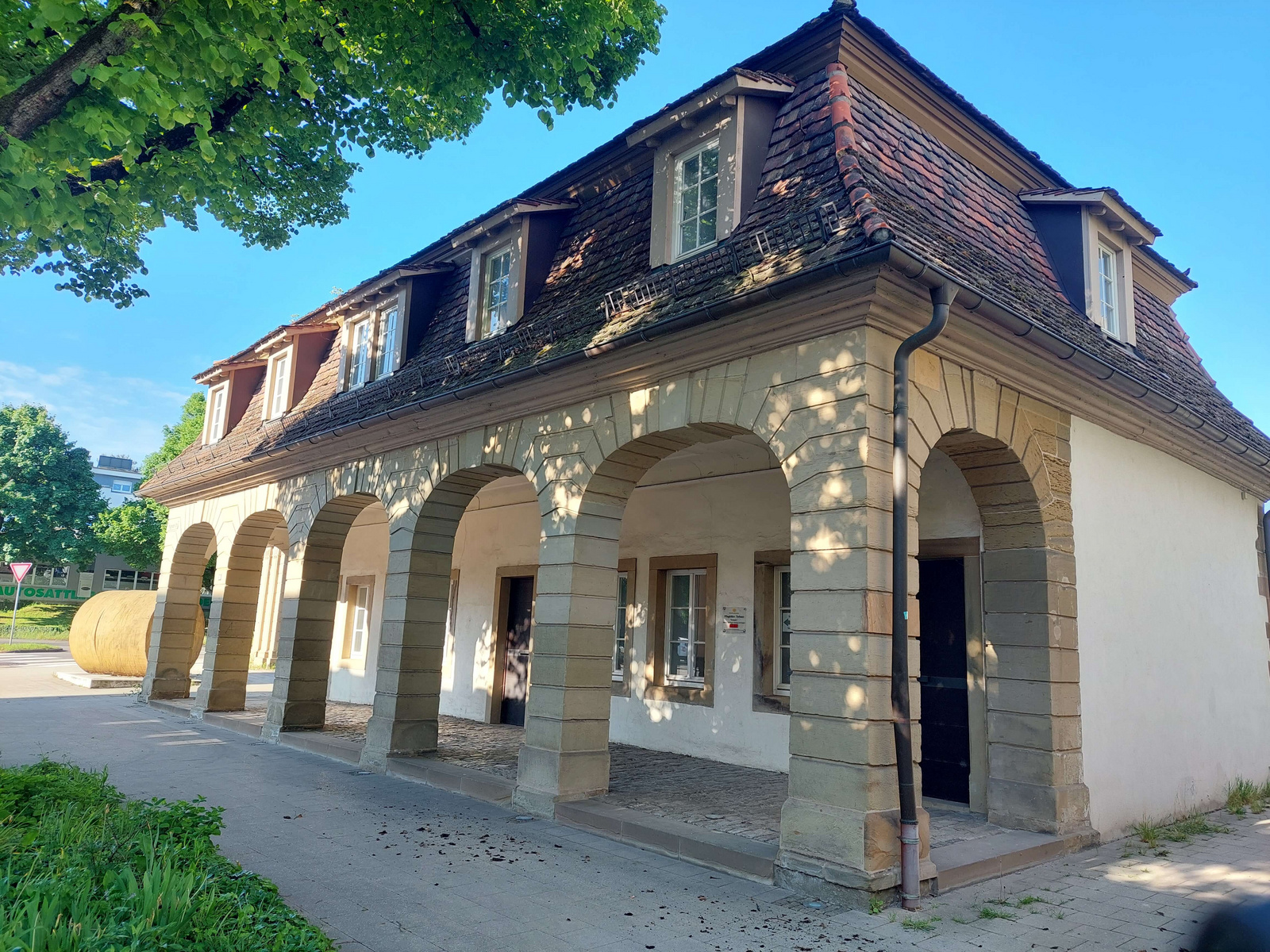
Pflugfelder Torhaus, photo: Ludwigsburg District Office
The Pflugfelder Torhaus (originally called the Leonberger Torhaus) displays exhibits on the topics of work and the future. The permanent exhibition deals with the economic history of Weststadt, shows various project exhibitions (for example individual companies such as Beru, Bleyle or Unifranck, traffic concepts, new building or commercial areas, Naturpark West) and is used as a meeting place for the association and "citizens' center".
You can download a detailed travel report in the box on the right.
47th Remser Heimatstube (Remseck am Neckar)
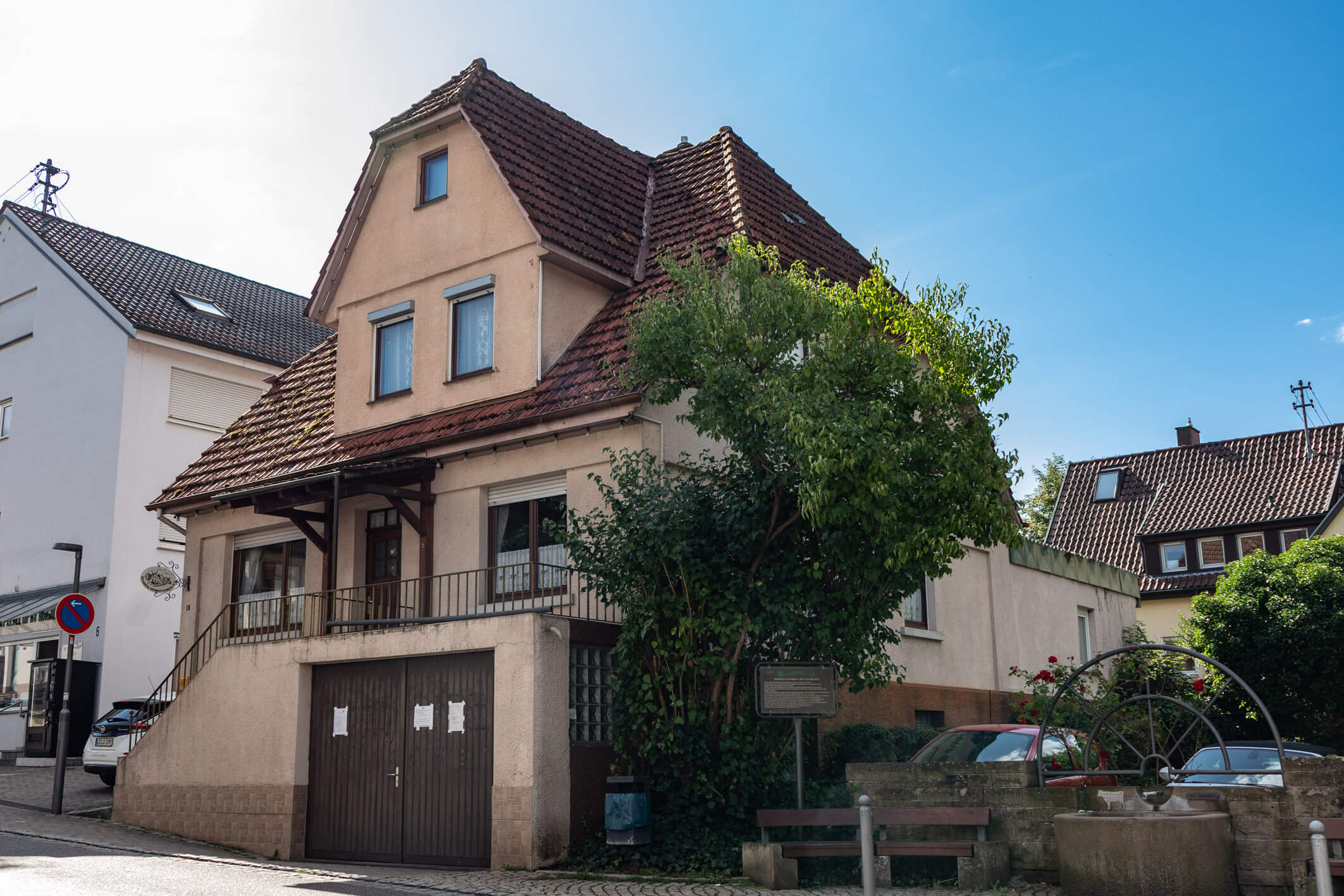
Remser Heimatstube, photo: Ludwigsburg District Office
The Remser Heimatstube was originally opened in 1985 in the rooms of the "Rebstöckle" clubhouse and moved to Dorfstraße 2 in 2000. The exhibition uses household items, furniture and textiles to provide an insight into village living conditions in Remseck am Neckar around 1900.
You can download a detailed travelogue in the box on the right.
60th Hornmoldhaus City Museum (Bietigheim-Bissingen)
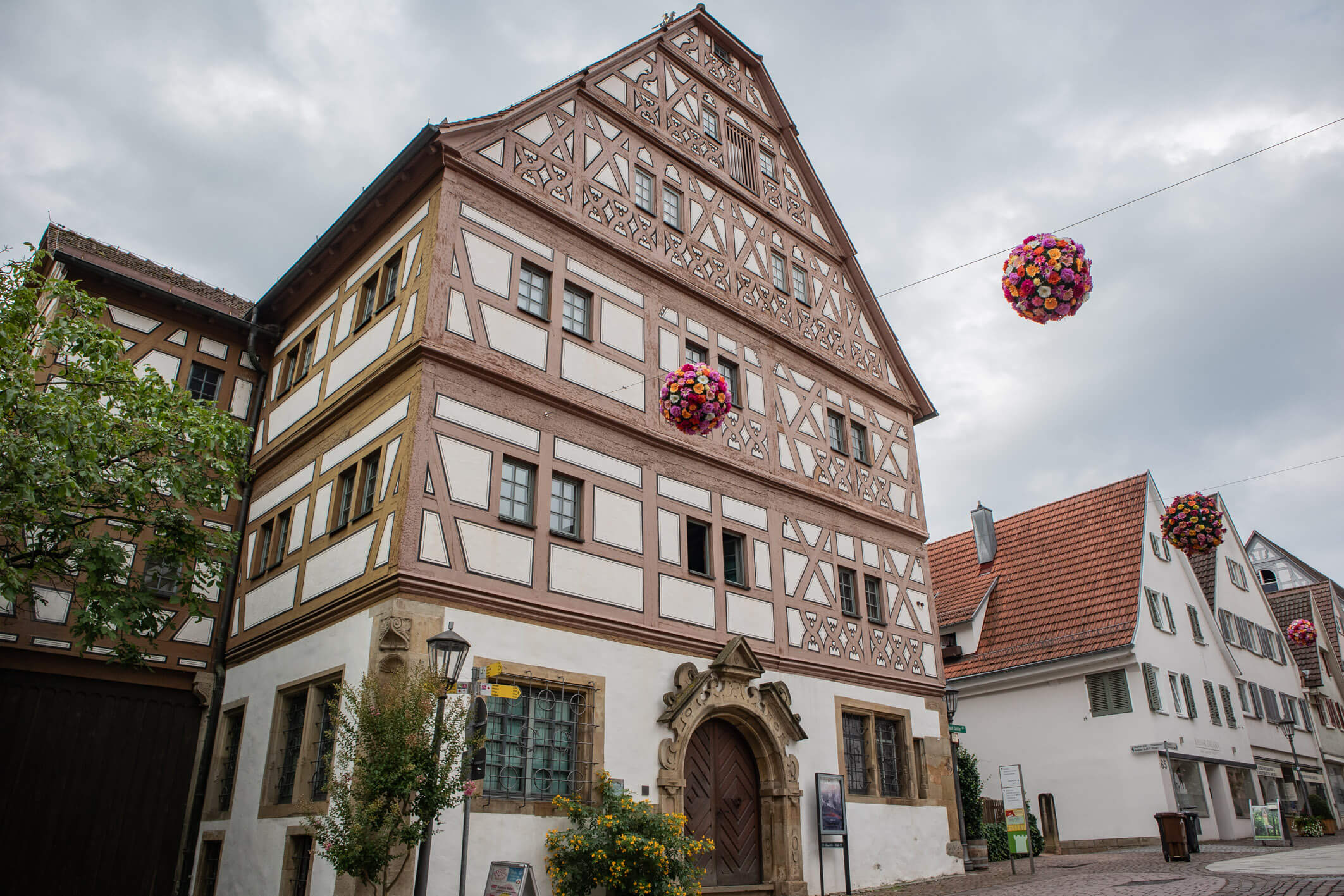
Hornmoldhaus City Museum, photo: Ludwigsburg District Office
The Hornmoldhaus town museum is named after its builder Sebastian Hornmold (1500-1581) and has housed the town history collection of the town of Bietigheim-Bissingen since 1989. Objects are exhibited, collected and researched here, making it possible to experience the past of the town of Bietigheim-Bissingen and its surroundings.
You can download a detailed travel report in the box on the right.
64th Sudeten German Heritage Center (Bönnigheim)
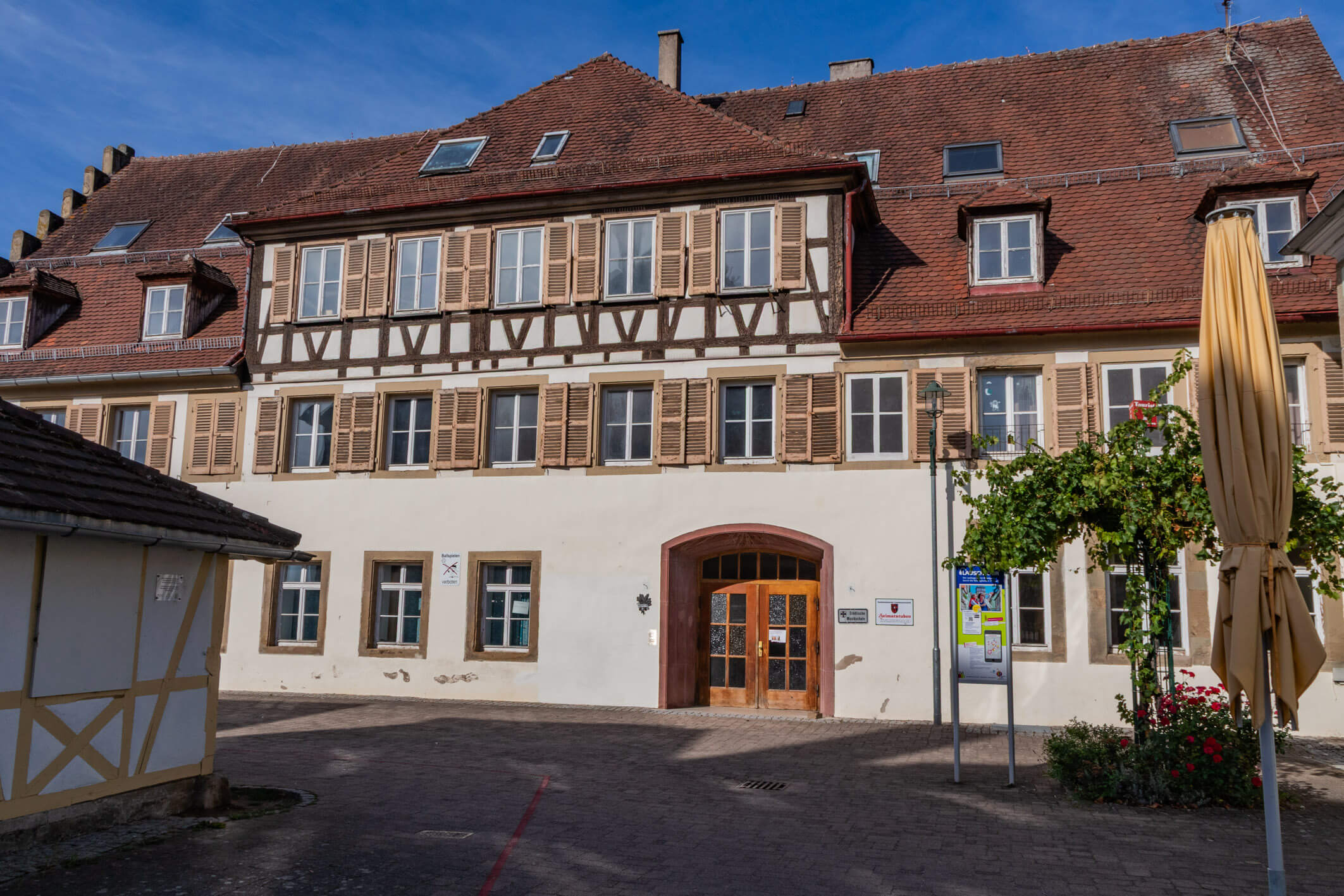
Sudeten German Heimatstube, photo: Ludwigsburg District Office
In the Sudeten German Landsmannschaft's Heimatstube, you can trace the more than 800-year-old history of the ethnic group. Traditional costumes and documents show expulsion and integration. The exhibition illustrates the history and culture of the Sudeten Germans. After 1945/46, 586 Sudeten Germans found a new home in Bönnigheim. This motto takes center stage: "Let the foreign country become your home, but never let your home become a foreign country."
You can download a detailed travel report in the box on the right.
65th Tobacco, Asparagus and Local History Museum (Pleidelsheim)
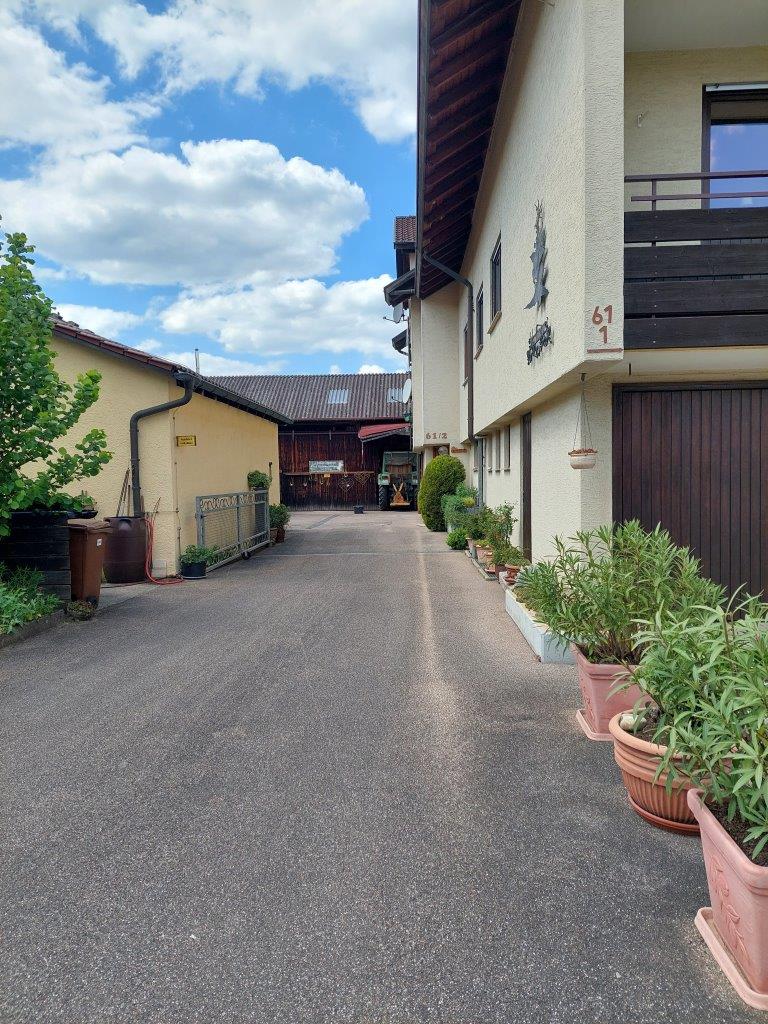
Tobacco, asparagus and local history museum, photo: Ludwigsburg District Office
The Tobacco, Asparagus and Local History Museum, which opened on May 16, 2010, covers the history of tobacco and asparagus in Pleidelsheim as well as life as it used to be in the house and yard. Many interesting historical objects and equipment can be seen in this museum. There are now around 1,300 exhibits.
You can download a detailed tour report in the box on the right.
71st Zuckmantler Heimatstube (Bietigheim Bissingen)
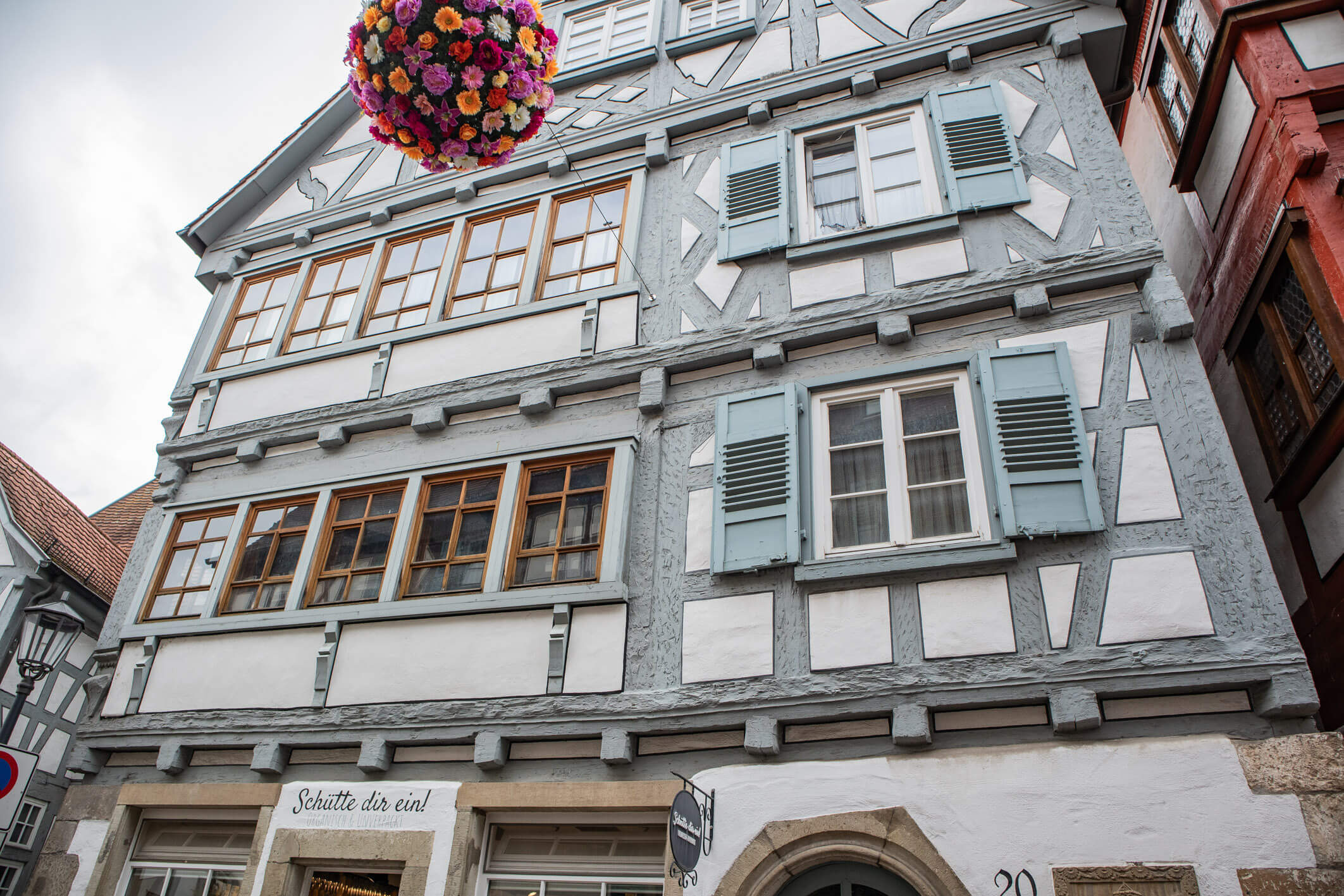
Zuckmantler Heimatstube, photo: Ludwigsburg District Office
In the Zuckmantler Heimatstube, the history of a former Sudeten German region in what is now the Czech Republic is brought to life. Exhibits show memorabilia that was brought back to the new homeland in Bietigheim-Bissingen.
You can download a detailed travel report in the box on the right.