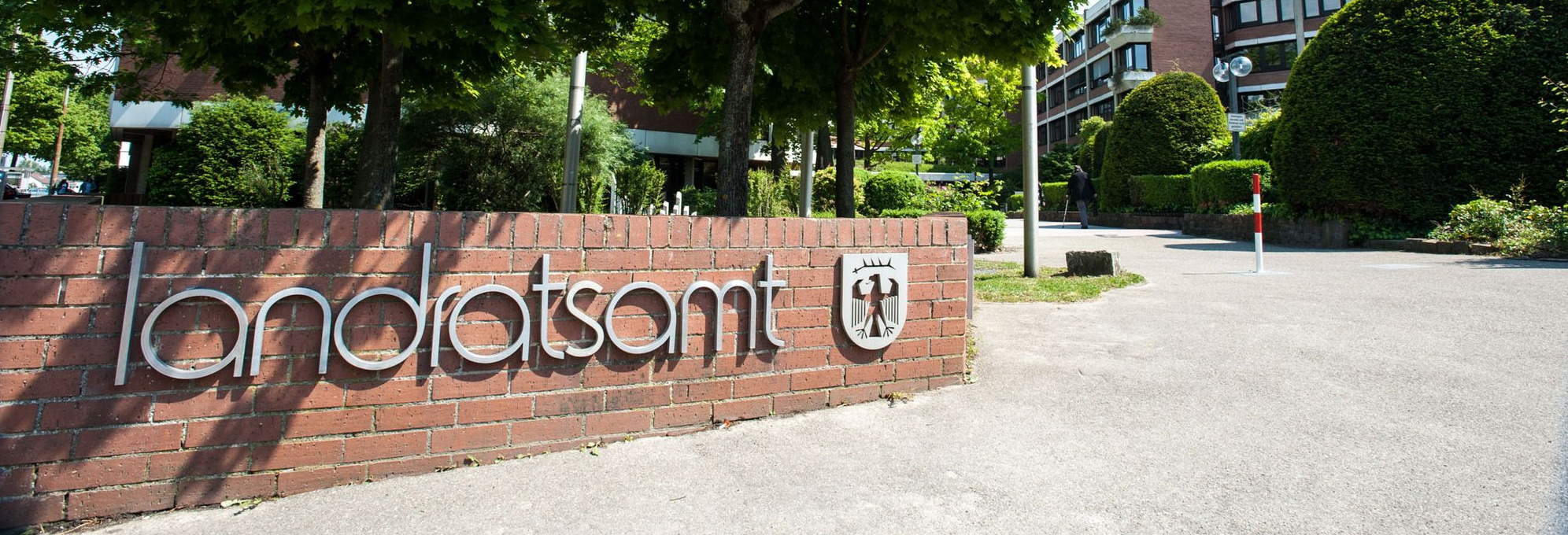

“The history of the Strohgäubahn is a striking example of what is possible when a region takes responsibility and thinks long-term. Fifteen years ago, a crucial decision was made to preserve and modernize the line. Today we can see that this was the right path to take: The Strohgäubahn is an efficient part of the local transit system and even has prospects for a future commuter rail connection,” says District Administrator Dietmar Allgaier, praising the line’s development as an example of sustainable regional cooperation.
From the Grand Plan to the First Trip
The idea of a rail connection through the Strohgäu region dates back to the late 19th century. The plans from 1898 initially called for a narrow-gauge railway from Zuffenhausen to Pforzheim. The route, over 50 kilometers long, was intended to connect numerous municipalities and boost both passenger and freight traffic.
However, the original plans could not be fully implemented. Not all municipalities along the planned route were able to raise the necessary financial contributions. Finally, in 1905, construction began on a standard-gauge line to Weissach.
On August 13, 1906, the Strohgäubahn was officially opened. Operated by the Württemberg Secondary Railways, the line connected the towns along the route and became an important part of regional development. The Württemberg Railway Company (WEG) was the owner and operator.
With Steam, Diesel, and Many Changes
The first few decades were characterized by traditional railroad operations: Steam locomotives dominated the landscape along the line and made the railroad an important means of transport for people and goods.
Over time, however, the demands on rail transport changed. Like many branch lines, the Strohgäu Railway came under increasing pressure from the 1960s through the 1980s. Passenger numbers declined, freight traffic lost importance, and the question arose as to whether the line would have a future in the long term.
While numerous comparable rail lines were abandoned, the municipalities in the Strohgäu region, together with the Ludwigsburg district, decided to take a different path.
Fifteen years ago, a new chapter began
Ditzingen, Hemmingen, Korntal-Münchingen, and Schwieberdingen, as well as Ludwigsburg County, initially supported operations with municipal subsidies and advocated for the preservation of the line.
A decisive turning point came 15 years ago: On November 22, 2011, the Strohgäubahn Special-Purpose Association signed a contract with the Württemberg Railway Company (WEG). This laid the foundation for a new future for the line.
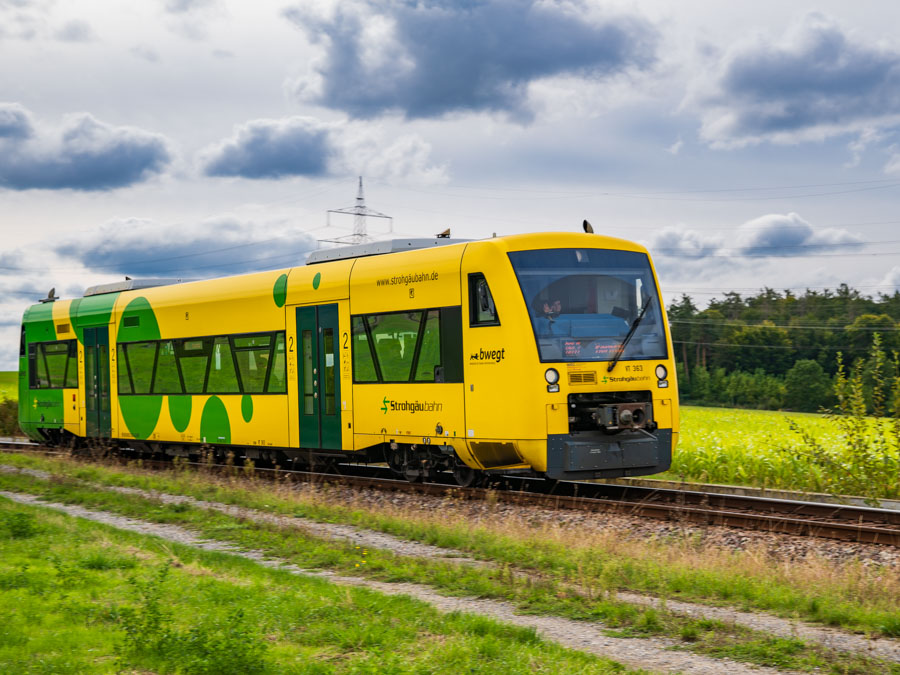
The association took over the infrastructure between Korntal and Heimerdingen, as well as responsibility for its further development. This was followed by extensive investments in the modernization of the line, new rolling stock, and a modern maintenance facility in Korntal. “At the time, it was impossible to predict how the Strohgäubahn would develop. However, those in charge recognized that a functioning rail connection is an important locational factor for the region. That foresight is paying off today,” says District Administrator Allgaier.
From a Saved Branch Line to a Modern Regional Railway
Today, the Strohgäubahn, operating as regional rail line RB47 within the Stuttgart Transport and Fare Association (VVS), is an integral part of the public transit system. The 22.2-kilometer route connects Korntal-Münchingen with the Strohgäu via Hemmingen, Schwieberdingen, and Ditzingen. In recent years, the railway has covered an average of approximately 377,700 kilometers per year.
The modernization efforts of recent years have laid the groundwork for further developing the line. With the State of Baden-Württemberg’s plans for a potential through-service via the Panoramabahn from Stuttgart-Vaihingen to Heimerdingen, the Strohgäubahn is gaining new prospects: what was once a branch line could become part of the Stuttgart region’s S-Bahn network in the future.
Two Anniversaries – One Shared History
120 years after its opening and 15 years after its relaunch by the special-purpose association, the development of the Strohgäubahn demonstrates how closely the past and the future are intertwined.
The era of steam locomotives, the difficult years of debates over closure, and the modernization of recent years are all part of the line’s history. They tell of challenges, but also of decisions made with foresight. “The Strohgäubahn is thus more than just a rail connection: It is a piece of regional history—and at the same time a forward-looking project for mobility in the Strohgäu region