



Organizations can submit projects that are tailored to one of the following two target groups: Firstly, long-term unemployed people who are particularly distant from the labor market with multiple barriers to placement; in particular people in psychosocial problem situations, with health restrictions, addictions, excessive debt, experience of violence or in precarious family or housing conditions. Cross-sectoral support measures under the German Social Code (SGB) II, IX and XII are conceivable; disadvantaged target groups outside the SGB benefit system should also be considered; secondly, pupils from year 5 onwards who are at risk of failing at school and who are clearly not ready for training; young people pushed to the margins of society or young people who drop out of school and who are not reached by regular school systems, youth vocational assistance and training support.
Cross-cutting objectives of the ESF Plus must be taken into account when implementing the projects
All projects must be implemented taking into account the cross-cutting objectives of the ESF Plus - gender equality, equal opportunities and non-discrimination, sustainability and transnational cooperation. The Charter of Fundamental Rights of the European Union must also be observed. Project sponsors can submit their applications in writing to L-Bank in Karlsruhe from March 31 to May 31, 2024 - exclusively via the electronic application form ELAN, available on the website https://www.esf-bw.de/esf/esfplus/sm/elan/. Potential project sponsors will have the opportunity to present their submitted applications at the next meeting of the regional ESF working group in July 2024. L-Bank Baden-Württemberg will make the final decision on the approval of funding, taking into account the results of the ranking in the working group.
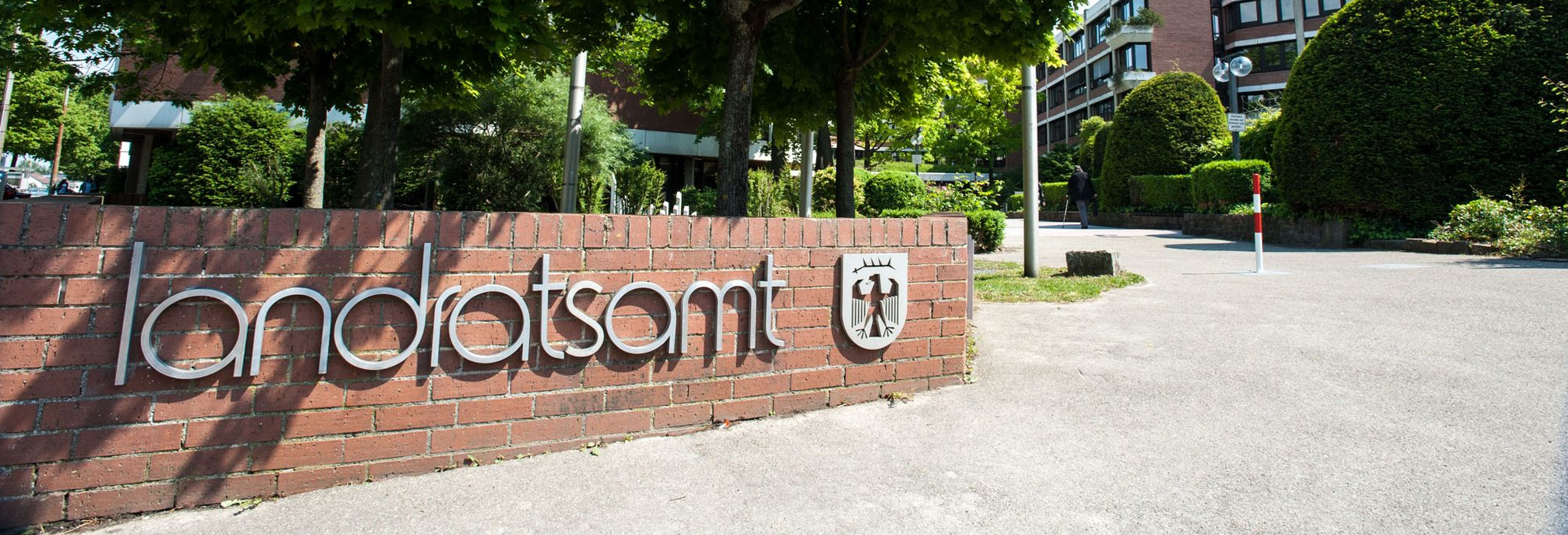
Further general information on ESF Plus, the full text of the call for proposals with numerous procedural instructions and the regional working group strategy can be found on the Ludwigsburg district website at https://www.landkreis-ludwigsburg.de/de/landratsamt-landkreis/kreisverwaltung/dezernat-iv-arbeit-jugend-und-soziales/fb-43-soziales-pflege-und-versorgungsangelegenheiten/. The ESF office at the Ludwigsburg district office is also available to answer questions from project sponsors and interested parties (Stephanie Mayer, Tel.: 07141 144-42052, e-mail: stephanie.mayer[at]landkreis-ludwigsburg.de).
The ESF Plus is an important labor market policy instrument of the European Union (EU) for promoting employment in Europe. Since the European Economic Community was founded in 1957, it has improved employment opportunities, supported people through training and qualifications, helped to reduce disadvantages in the labor market and combated poverty and social exclusion. The Baden-Württemberg Ministry of Social Affairs, Health and Integration is supported in its regional funding activities by the regional ESF working groups, which are based in the city and district authorities and have their own funding contingent.