




Pleidelsheim Tobacco, Asparagus, and Local History Museum
How were tobacco and asparagus grown in the past? What steps were required before the products could be sold? The Tobacco, Asparagus, and Local History Museum in Pleidelsheim provides the answers.
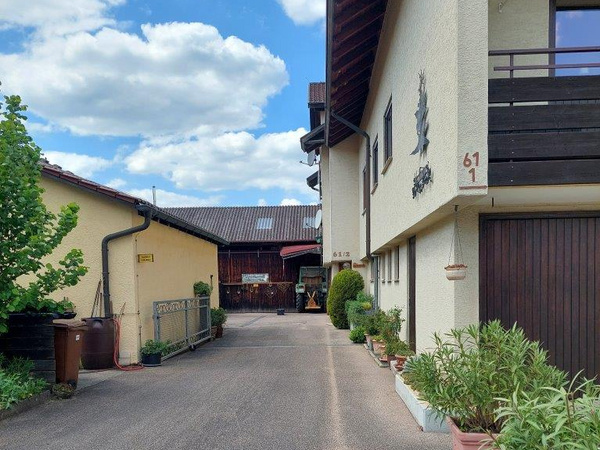
The museum is located on the former farmstead of the Warttinger family and features numerous exhibits tracing the history of tobacco and asparagus cultivation in Pleidelsheim. Historical tools, machinery, and household items vividly illustrate how closely agriculture and everyday life were intertwined in the past.
The exhibits on tobacco cultivation—from sowing the seeds to processing the tobacco leaves—are particularly impressive. Asparagus cultivation, which has long shaped Pleidelsheim, is also presented in detail. The exhibition is complemented by numerous exhibits on local history and the village’s traditional crafts.
Museum im Schlössle Freiberg
Located in the historic moated castle in Freiberg am Neckar, the Museum im Schlössle invites visitors on a journey through the town’s history. The permanent exhibition spans from the earliest traces of settlement through the Romans and the Alemanni to modern urban development.
In addition to historical documents and archaeological finds, the museum also explores the daily life of past generations. Topics such as agriculture, crafts, household life, and food storage are brought to life through numerous original artifacts.
A special focus is placed on rotating special exhibitions and hands-on activities that convey history in a modern and engaging way. In this way, the museum combines historical memory with current topics and invites visitors of all ages to explore.