



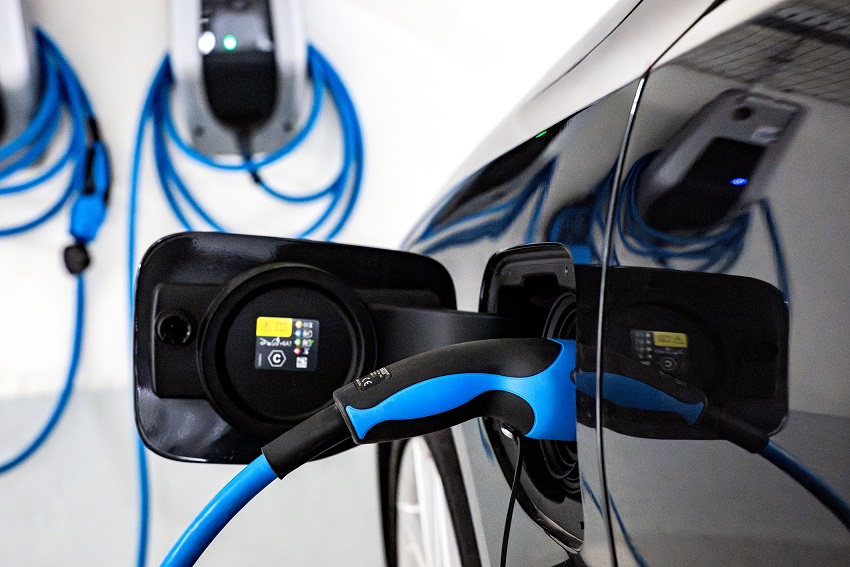
In the Ludwigsburg district, the number of battery-electric vehicles has increased fivefold from around 3,000 in 2020 to almost 15,000 in the fall of 2025. The electrification of transport is one of the most effective levers for reducing CO₂ emissions and is therefore a central component of the climate mobility plan adopted by the district council in July 2025.
E-mobility for all: focus on public spaces
The concept pays particular attention to the publicly accessible charging infrastructure. While in the initial phase it was mainly homeowners with private wallboxes who switched to electric mobility, citizens without their own parking space are now increasingly reliant on charging facilities in public spaces. District Administrator Dietmar Allgaier emphasizes: "For us, the expansion of electromobility is not an end in itself, but a decisive step towards climate-friendly mobility in everyday life. Our goal is to ensure that all citizens - regardless of their living situation - have easy access to reliable charging infrastructure."
Concrete support for local authorities
As cities and municipalities have territorial sovereignty, they play a key role in the development of this charging infrastructure. At the same time, smaller municipalities in particular face personnel and technical capacity challenges in order to drive forward the expansion of the charging infrastructure independently and strategically. The district therefore wants to provide them with the best possible support, including the following measures:
- Specialist support: the district administration supports local authorities in selecting locations, with legally complex tenders and award procedures as well as with public relations work.
- Networking: The district administration promotes the exchange of experience and the pooling of resources in order to find cross-municipal solutions.
- Target group private stakeholders: Companies, homeowners' associations and tenants are supported in expanding the charging infrastructure through targeted specialist information and online information events.
The concept is intended as a low-threshold orientation tool. The district administration thus creates the technical basis so that municipalities can approach the expansion of the charging infrastructure in a strategic and organized manner.
The concept is available for download at www.landkreis-ludwigsburg.de/elektromobilitaet.