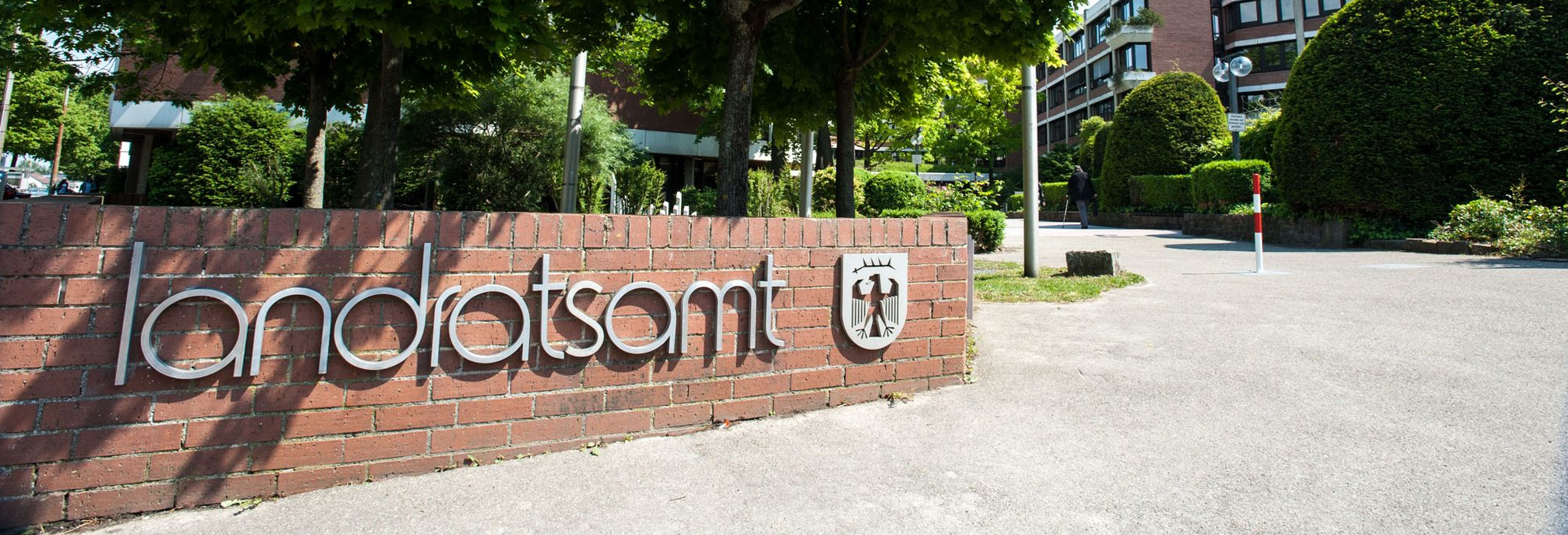




The transformation of the energy supply in Germany for a climate-friendly and economically successful future is in full swing. The course has been set to become less dependent on fossil fuels and to switch largely to renewable energies. The energy transition is also largely an electricity transition. "Everything is going electric" is the motto here. The lynchpin of the energy transition is therefore the electricity infrastructure and the connection of the electricity, heating and mobility sectors, known as sector coupling. This also includes the development of charging infrastructure and self-generation of electricity.
E-charging infrastructure for the general public too
"The energy and mobility transition has the best chance of success if it is also an energy transition for citizens and remains affordable. Decentralized projects in which the public can participate and benefit are suitable for this," says District Administrator Dietmar Allgaier. "The sector coupling of electricity, heat and mobility directly on site guarantees efficiency, cost-effectiveness and relief for the electricity grids. In return, the district shares its modern and efficient energy infrastructure with the general public."
When it comes to climate protection, the Ludwigsburg district authority is pursuing a long-term concept based on the Kyoto Protocol, the beginnings of which date back to 2002. The decision was taken unanimously by a committee of the district council at the time. The concept essentially comprised the modernization of the district's own buildings. The focus was already on a decentralized approach with a high proportion of in-house electricity generation. In addition to the purereduction of energy consumption, the reduction ofCO2 emissions, energy efficiency, cost-effectiveness and integration into existing structures as well as cooperationwith local stakeholders were the key components. More than two decades have now passed and much has been achieved.
More than 200 e-charging points installed
As part of the electrificationof its own vehicle fleet, the Ludwigsburg District Office has built up an efficient electricity infrastructure in recent years and installed more than 200 e-charging points. The charging infrastructure was funded as part of the LINOx BW funding project of the Federal Ministry for Economic Affairs and Climate Protection. A charging station and a hypercharger (fast charging station) are available in Eugenstrasse. As selling electricity is not one of the core tasks of a district administration, these are operated by Stadtwerke Ludwigsburg. Other publicly accessible
hyperchargers operated by the district administration are located at the Erich-Bracher-Schule in Pattonville on John-F.-Kennedy-Allee and at the Carl-Schaefer-Schule on Elmar-Doch-Straße.
In the parking decks around the Kreishaus, Alt-Württemberg-Allee and Eugenstraße, 147 parking spaces are equipped with a wallbox of 3.7 kilowatts each. Apart from the usual parking fees, there are no additional costs for charging. This offer is aimed at both visitors and employees of the district administration office. The publicly accessible parts of the parks have also been opened outside of business hours and are now available 24 hours a day, 7 days a week. Residents of the surrounding housing estates, most of whom do not have their own wallbox, are also welcome to charge their e-cars overnight or at the weekend. There are special tariffs for this. Electricity is mainly generated from renewable energies (photovoltaic systems) and combined heat and power (CHP) directly on site and the remaining electricity is drawn from the public power grid. A battery storage system with a capacity of 800 kilowatt hours is currently being installed to increase the proportion of self-supply.