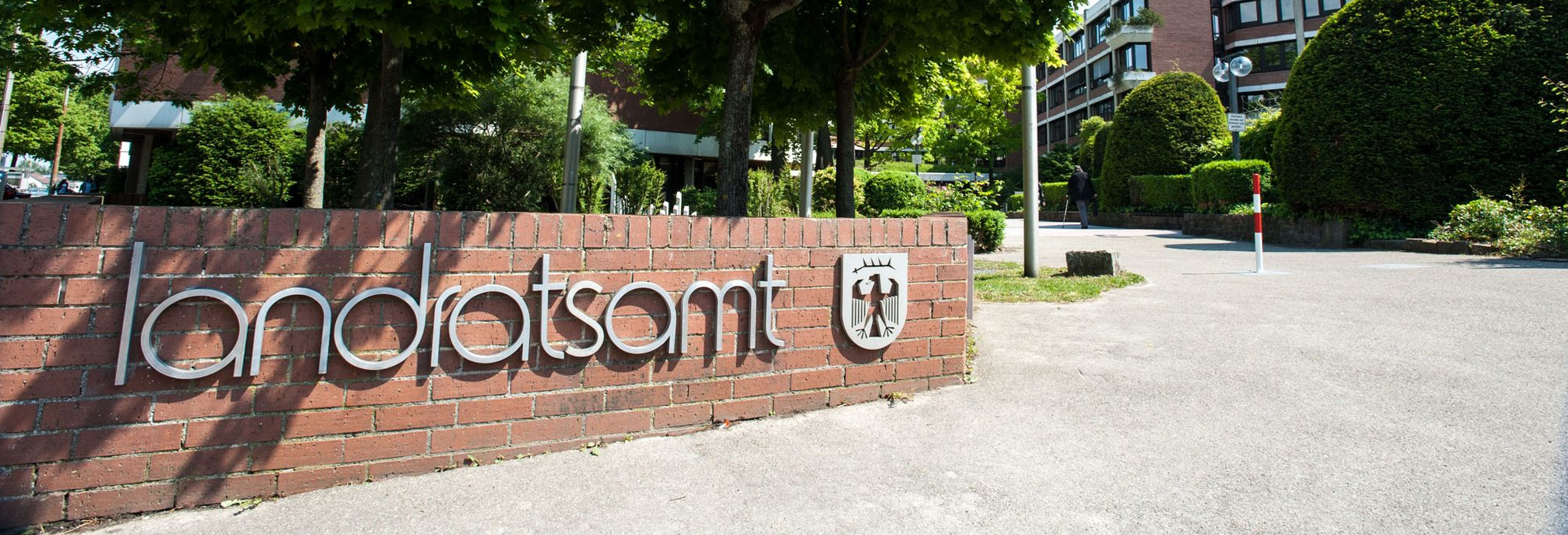





A government-led mobility management program (BMM) focused on cycling brings measurable benefits. District Administrator Dietmar Allgaier shares this view. “With our diverse range of mobility options—which includes a good cycling infrastructure—we want to show that the well-being of our employees is important to us. At the same time, promoting cycling is an essential building block on our path to becoming a climate-neutral county administration by 2035. If more people use bicycles to commute to work or on business trips, significant CO₂ emissions can be reduced. Furthermore, cycling is many times more cost-effective than other modes of transportation—especially given current gas prices,” said the head of the district administration. The fact that the Ludwigsburg District Office has now been awarded the Gold Certificate for its efforts demonstrates that it has successfully established cycling as an integral part of its corporate mobility management.
“Over the past three years, the Ludwigsburg District Office has implemented additional measures that make cycling an even more attractive and safe option for commuting,” adds Sara Tsudome, project manager at the ADFC. “This commitment not only benefits the health of employees but also positions the district administration as a forward-thinking and responsible employer.”
Benefits for the Ludwigsburg District Office and Its Employees
For many years now, various departments at the Ludwigsburg District Office have been working continuously to make cycling as pleasant as possible for the workforce. Among other initiatives, bicycle parking facilities have been and continue to be gradually modernized and expanded; a cargo bike has been purchased for official trips; attractive participatory campaigns such as STADTRADELN have been offered; and a bicycle leasing program has been introduced. In addition, as an employer, the District Office supports other sustainable modes of transportation by providing a monthly subsidy for the D-Ticket (job ticket).
Additional benefits of switching to cycling
Health and Well-Being: Studies show that regular cycling promotes both physical and mental health. Employees who bike to work take, on average, one-third fewer sick days.
Cost-effectiveness: Bicycle parking facilities take up less space and are more cost-effective than car parking spaces—both in terms of initial investment and ongoing maintenance.
Flexibility and Quality of Life: Cycling is often the fastest and most flexible option in urban traffic. This independence improves work-life balance and increases job satisfaction.
For more information, visit www.fahrradfreundlicher-arbeitgeber.de