




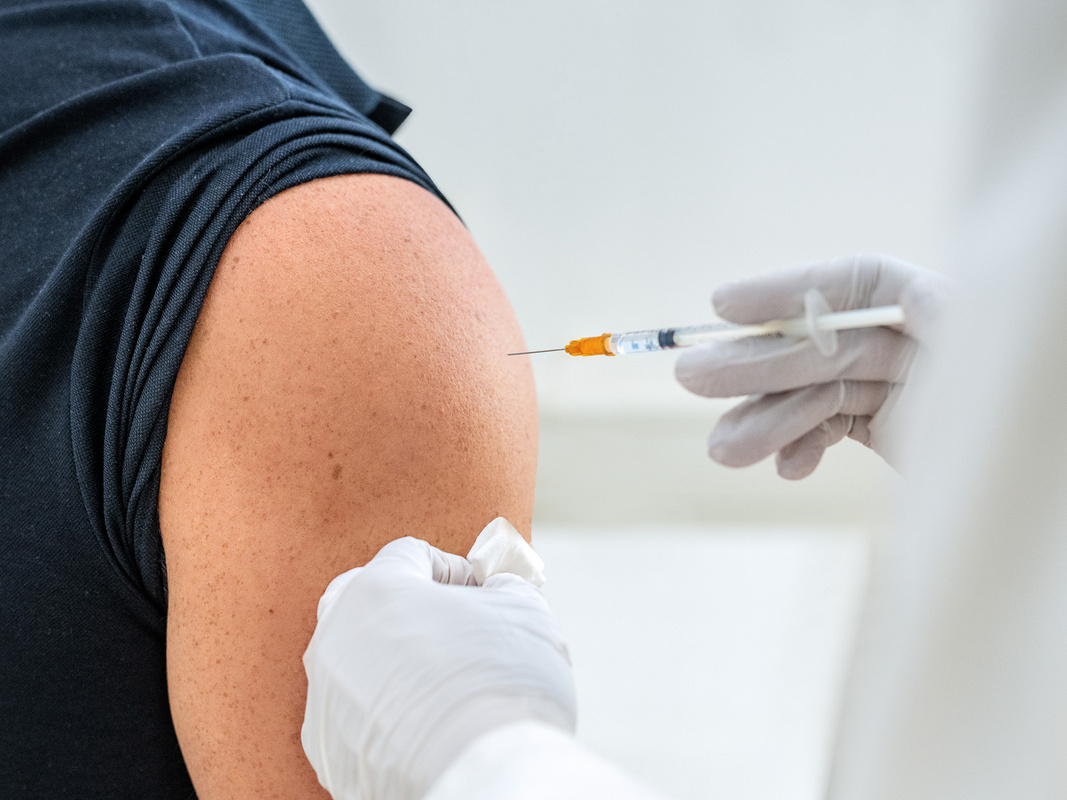
The Department of Health is taking European Immunization Week as an opportunity to highlight the importance of vaccination. High vaccination rates not only protect individuals, but also the community, especially vulnerable groups such as infants or people with weakened immune systems. European Immunization Week is an opportunity to check your own vaccination status with your paediatrician, GP or health authority, catch up on missing vaccinations and find out about current vaccination recommendations. "Vaccinations are one of the cheapest and most effective protective measures against serious infectious diseases," emphasizes Dr. Karlin Stark, Head of the Health Department.
There are still considerable vaccination gaps in the population
Despite the high preventive effectiveness of vaccinations and the comparatively low cost, there are still considerable vaccination gaps in the population. This is according to analyses by the Robert Koch Institute (RKI).
Due to an increased risk of severe disease progression, prophylaxis against respiratory syncytial virus (RSV) has been recommended by the Standing Committee on Vaccination (STIKO) for under-one-year-olds since June 2024. Newborns and infants receive antibodies that protect against severe RSV infections. The protective effect was already clearly evident in the following RSV season. The number of transmitted cases among under-one-year-olds halved. Between April and September 2024, the first year since the recommendation was introduced, 49 percent of infants in the Ludwigsburg district received RSV prophylaxis.
RSV vaccination recommended for various groups of people
However, people aged 75 and over and people aged 60 and over with certain underlying illnesses also have an increased risk of becoming seriously ill with RSV-related respiratory infections and requiring intensive medical treatment or dying as a result. The RSV vaccination is therefore also recommended for people aged 75 and over and for people aged 60 and over with serious pre-existing conditions or in care facilities and is one-off, well tolerated and effective.
Certain types of human papillomavirus (HPV) can cause cancer of the cervix, throat and anogenital area. To protect against this, vaccination against HPV is recommended for all children and adolescents aged 9 to 14 in Germany. The HPV vaccination should be completed by the 18th birthday at the latest. Many health insurance companies even cover the costs up to the age of 26 and in some cases even for older people.
In the Ludwigsburg district, 47% of 15-year-old girls and 34% of 15-year-old boys were fully vaccinated against HPV in 2024. The rates are therefore higher than the national figures, but well below the 90% target set by the World Health Organization.
Initial protective effects of HPV vaccination despite low vaccination rates in Germany
Since 2018, the Department of Health has been conducting annual HPV campaigns with the medical profession for all sixth-graders, and since 2024, J1 campaigns for 12 to 14-year-olds to increase the number of youth health check-ups. Despite the low vaccination rates in Germany, the first protective effects are becoming visible at population level, according to a publication by the Robert Koch Institute. For example, the rate of new cases of cervical cancer among younger women aged 20 to 34 has fallen. It has fallen continuously from 7.8 per 100,000 women in 2015 to 4.3 in 2023.
Since last year, the STIKO has recommended vaccination against meningococci groups A, C, W and Y for all children and adolescents aged 12 to 14. Revaccinations are possible up to the age of 25. This protects against serious, sometimes life-threatening infections such as meningitis and blood poisoning. This does not affect the vaccination recommendation against meningococcal B, which has been recommended for infants since 2024.
Vaccinations also have considerable economic benefits
Vaccinations can permanently eradicate some diseases - such as smallpox worldwide. At the same time, vaccinations have a significant economic benefit through lower costs for the treatment of vaccine-preventable diseases and a reduction in productivity losses due to illness. High vaccination rates help to prevent epidemics and pandemics or contain them more quickly.