



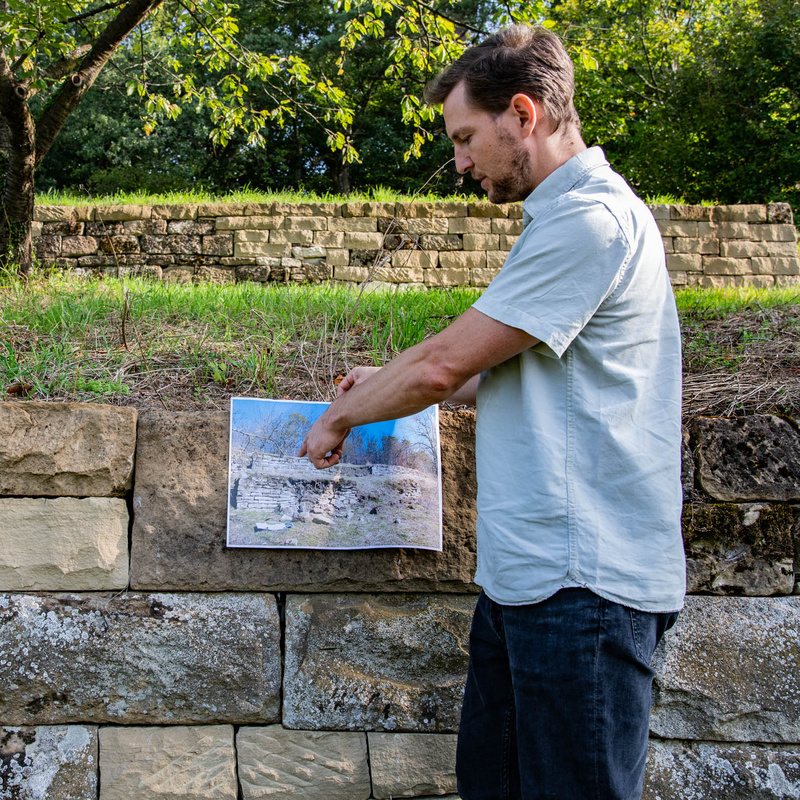
With around 370 hectares of dry-stone terraced vineyards, the district of Ludwigsburg has the largest proportion of this type of landscape in Germany. However, as a result of the increasing abandonment of traditional viticultural use and a lack of interest on the part of many owners, this characteristic landscape type is increasingly under threat. In this context, the dry stone walls, which have been protected by law since 1992, are also endangered in many places by decay or by improper attempts to restore them with concrete blocks, mortar grouting, etc.
"It is one of our central tasks to preserve this unique type of landscape," emphasizes District Administrator Dietmar Allgaier. "The cost of restoring one square meter of dry stone wall is currently between 1,000 and 1,200 euros - a considerable investment, but one that pays off in the long term."
Keeping open and restoring to protect biodiversity
The restoration of dry stone walls is not only of cultural but also ecological importance. On many of the areas no longer used for viticulture, extremely valuable biotopes, such as species-rich vineyard fallow land and rough pastures, with a high proportion of endangered and protected animal and plant species, have developed due to the extremely warm and sunny site conditions at
. In many cases, these have also been designated as natural monuments or nature reserves. The restoration ensures that the areas can continue to be maintained by hand and prevents the spread of unwanted woody plants.
District Administrator Allgaier emphasizes the importance of the measures: "The preservation of these dry stone walls is not only a question of landscape conservation, but also of species protection. It is therefore important for us as a district to take responsibility together with our partners."
Successful cooperation for the future
In the past two years, 85 square meters of dry stone wall viewing area have already been renovated in landscape conservation areas, and a further 35 square meters will be renovated this late autumn. Thanks to the renewed funding from the Environmental and Nature Conservation Foundation of Kreissparkasse Ludwigsburg, the project will be supported for a further three years with 36,000 euros each. The remaining 4,000 euros come from the district of Ludwigsburg.
"Supporting this project shows our long-term commitment to protecting our environment and maintaining our cultural landscapes," says Isabel Kurz, press officer at Kreissparkasse Ludwigsburg. "We are delighted to be able to continue contributing to the preservation of this unique habitat in the coming years."
A look into the future: continuation of the restoration measures
"With the decision to continue the project until 2027, the aim is to secure the landscape-defining dry stone walls in areas that are particularly important for nature conservation in the long term," says Andreas Fallert, Managing Director of LEV Ludwigsburg. "This work requires a great deal of manual labor, expertise and patience, but makes a decisive contribution to the preservation of these valuable biotopes," Fallert continues.
"Thanks to the intensive cooperation between the district, the foundation and the LEV, we can preserve this unique natural area for future generations," concludes District Administrator Allgaier.
Background information
The dry stone walls of the terraced vineyards offer unique site conditions and are legally protected biotopes. In addition to their scenic importance, they are indispensable for the preservation of a large number of endangered animal and plant species that find their habitat in these warm, sunny areas. In order to preserve these valuable areas, annual maintenance is required, which is facilitated by the restoration of the walls.
As part of a student internship project, the most important areas requiring action from a nature conservation perspective were identified across the district back in 2004. The need for restoration roughly determined at that time was a total of more than 4000 square meters of dry stone wall area.