



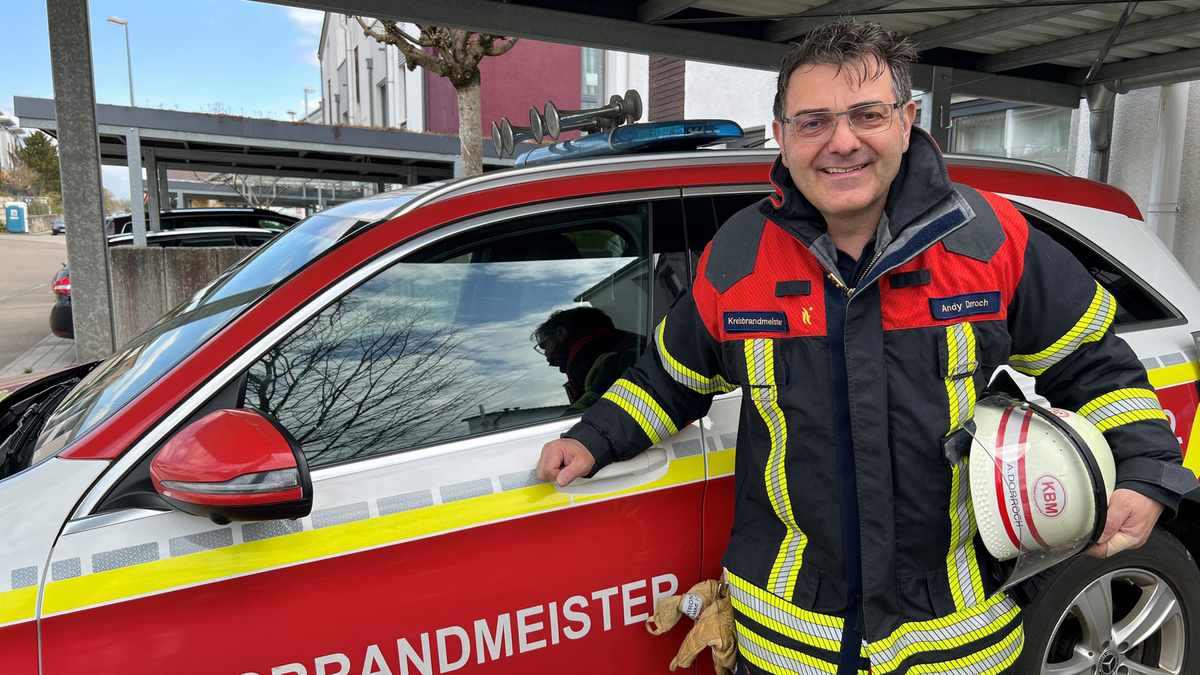
District fire chief Andy Dorroch emphasizes that a regular check and thorough cleaning of the chimney is essential to ensure safe and efficient combustion. "A clean chimney ensures an optimal flue and prevents dangerous smoke or soot build-up," explains Dorroch. The chimney should therefore be cleaned at least once a year by a specialist.
It is also important what material is burned in the stove. "Don't burn any garbage in the stove," warns the district fire chief. "Only dry, well-stored wood may be used - no cardboard, no cardboard and no treated or painted wood." These materials not only release harmful substances when burned, but can also damage the fireplace and chimney, which can lead to dangerous soot fires.
"It would be wrong to demonize fire"
The correct lighting of the stove is also an issue that Dorroch addresses. "Lighting a stove is actually child's play if you do it right," says the district fire chief. However, he points out that children in particular should learn how to handle fire safely at an early age. "It would be wrong to demonize fire. It is much better to introduce children to the subject at an early age under supervision. Together, you can light the fire in a controlled manner so that it remains safe and provides a valuable learning opportunity at the same time."
Another important aspect of heating is ensuring a sufficient air supply so that combustion can take place cleanly and efficiently. Care should be taken to ensure that ventilation slots are not blocked or covered. Regularly checking smoke detectors in the living area should also not be neglected during the heating season.
Safety first when heating with wood
In addition to these basic tips, there are other safety aspects that should not be neglected: "It makes sense to have a fire extinguisher in the house to be able to put out incipient fires. Smoke detectors are absolutely essential and also required by law," says Dorroch. Special care should be taken when disposing of ash from the stove: "Ash should never be thrown into the normal waste, but should always be stored in a fireproof container until it has cooled down safely," adds Dorroch. Removing the ash in the stove regularly so as not to obstruct the air circulation is important to maintain optimum conditions in the firebox.
Another tip from the district fire chief: never store firewood directly next to the stove. Even if it may seem practical, a safe distance should be maintained between the wood and the source of the fire, as there is a risk of fire if sparks fly. In general, safety distances should be maintained around the stove. Furniture, curtains or carpets should be kept at a sufficient distance from the stove to minimize the risk of fire.