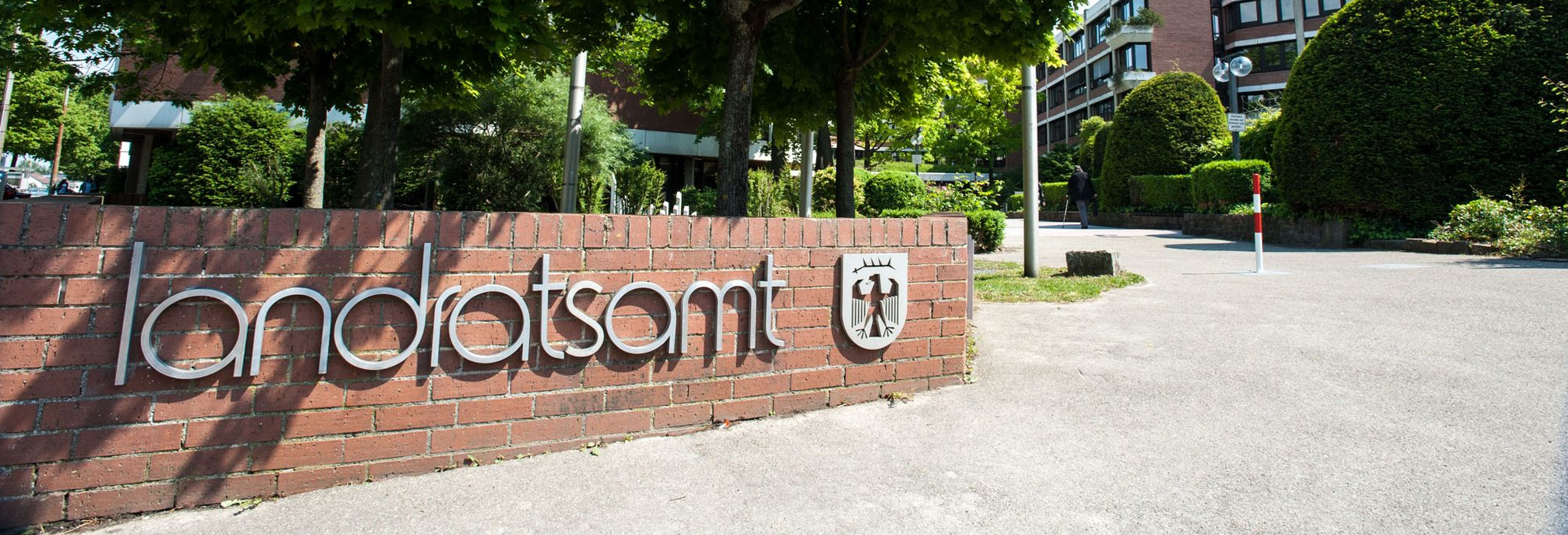




The district and the municipalities want to pull together to save energy: This should also involve measures that will have an impact on residents. Obvious energy-saving measures, such as the optimization of heating systems, the reduction of lighting and cold water at hand basins, have already been implemented. Measures that were already planned as part of climate protection, such as converting to LED lighting, are being accelerated. Possible further measures that would be much more drastic as the need for savings increases were presented and discussed. The district intends to take further steps to save energy together with the local authorities in October. "Not only the public authorities, but each and every individual must make their own contribution to saving energy in winter," said District Administrator Dietmar Allgaier.
Tina Prietz from the district administration's climate protection team drew attention to the extensive information material on the subject of saving energy. This will soon be available on the district administration's website. An energy-saving tips video with District Administrator Allgaier will also be published on social media channels shortly. She emphasizes: "The municipalities only have two to three percent of energy consumption in their own hands. In order to achieve the 20 percent savings target for society as a whole, companies and citizens in particular need to show commitment."
The district administration office and the municipalities of the Ludwigsburg district are therefore appealing to both companies and citizens to continue saving energy. "To do this, we have to leave our comfort zone in certain areas," said Alois Braunmiller, Head of Facility Management and Real Estate. "19 degrees in the office or a cold shower after sport are losses of comfort that certainly don't please anyone. But they are an important component in preventing a crisis!"
Although the gas storage facilities in Germany have almost reached the target of 95% full, Robert Habeck's optimism of "getting through the winter" is linked to two further conditions: Savings in gas consumption of 20 percent and mild temperatures. And even if the gas storage facilities are 100% full, they could only cover normal consumption for two weeks in an emergency. It is therefore imperative to avoid an acute gas shortage and save as much energy as possible. The gas network operators warn that it can take several weeks to months after a major drop in pressure in the gas network before all customers' systems can be put back into operation.
The emergency services from the district office have another concern, and they are not alone in this. Due to the financial burden, more and more people could turn to electric fan heaters, which destabilize the power grid. This could lead to power cuts, which would then also affect the water supply. This scenario also needs to be taken into account.