



Cardiovascular diseases are the most common cause of death among women worldwide. In Germany, around 20,000 women die of a heart attack every year. Despite this, the warning signs are still recognized too late, risks are underestimated and prevention is used too rarely.
Women are less likely to be resuscitated in an emergency
Cardiovascular diseases often manifest themselves differently in women than in men, which makes early detection even more difficult. Nausea, exhaustion or pain in the upper abdomen are not recognized as warning signs. At the same time, women are less likely to be resuscitated in an emergency due to fear of contact.
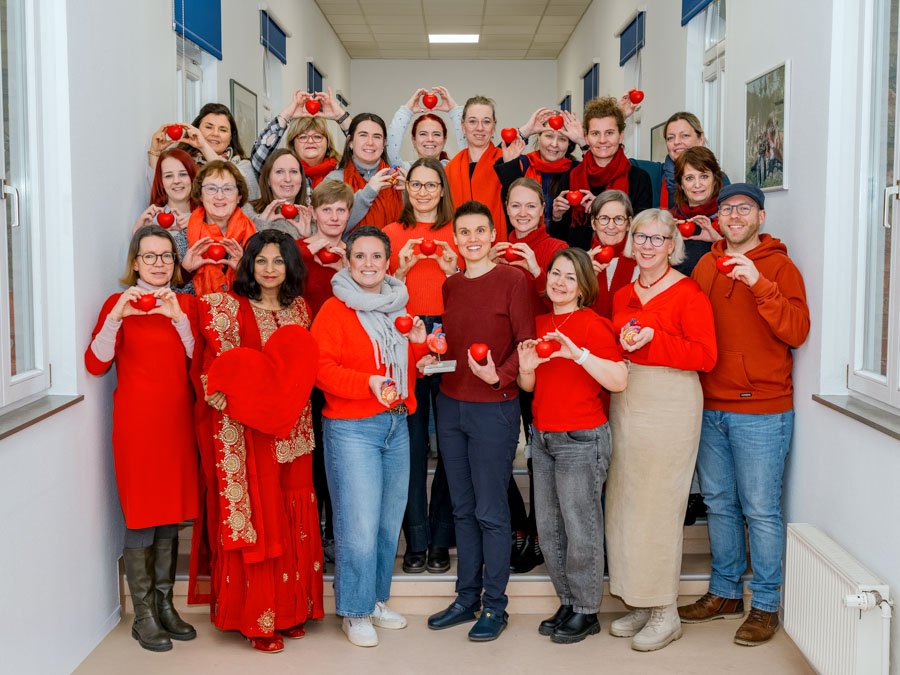
"By taking part in this day of action, we want to raise public awareness of heart disease in women. Because awareness can save lives," says Dr. Ulrike Rangwich-Fellendorf, Deputy Head of the Health Department. Dr. Uschi Traub, Head of Health Promotion, adds: "Many women underestimate their risk of a heart attack. Symptoms often seem harmless and are recognized far too late. That's why it's extremely important that women think of a heart attack when they have supposedly atypical symptoms and see a doctor as soon as possible."
Providing targeted information about specific risks and improving health literacy
To achieve this, however, women must be informed about their specific heart attack symptoms. Through public campaigns and educational initiatives, for example at schools and universities, combined with early detection and prevention campaigns, women should be specifically informed about their cardiovascular risks and their health literacy should be strengthened. Dr. Christine Oexle, a doctor in health promotion, explains: "Strengthening health literacy can make a decisive contribution to identifying such risks at an early stage, enabling prompt diagnosis and treatment and thus saving lives."
The prevention of cardiovascular disease is a key focus of the health department this year. Further events and focal points will follow in the coming months.