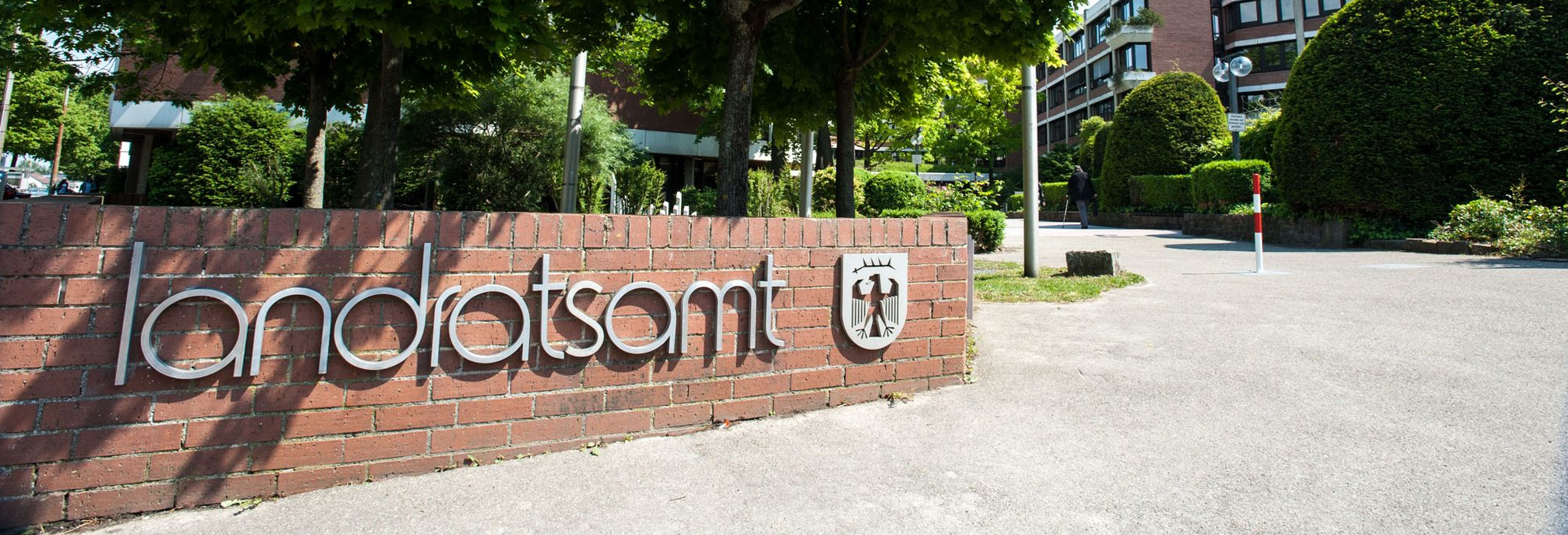





"The district of Ludwigsburg is convinced that demographic change requires additional ways to ensure a life that is suitable for all generations through coordinated care structures," continued the head of the district administration. This involves questions such as, "What services must be provided in the areas of housekeeping, accessibility and mobility in order to achieve a high quality of life?" "How can family and work, raising children and supporting the older generation be combined?"
"Society and the social challenges are reflected in the neighborhood in a small-scale environment - approaches tested and experience gained there can possibly be transferred in a modified form to larger social contexts," said District Administrator Allgaier. "Opportunities lie, for example, in the improved networking between informal and professional help, in the further development of the professional infrastructure, such as the provision of advice and support services close to home. Through neighborhood assemblies, group meetings, interviews and online surveys, citizens can also be involved in order to improve informal and professional infrastructures and counteract the sometimes problematic feeling of being alone with an open culture of encounter," said Allgaier.
After the welcome, the stakeholders and working groups introduced themselves, there were open groups at various participation tables and an exchange on the topics "We in City-Ost (neighborhood office)", "What I can offer", "What would help me" and "Offers in the neighborhood". The results were summarized and presented. After a round of questions, the next steps were discussed.
The neighborhood project "Wir in City-Ost - Begegnen, Kennenlernen, unterstützen - lebenswertes Quartier für Alle" is a joint project of the city and district of Ludwigsburg together with the Nachbarnetz and the Stiftung Evangelische Altenheime Ludwigsburg. The threads of the project come together with the 50 percent specialist Anita Daradan in the neighborhood office at Schorndorfer Straße 43. The project is funded within the state strategy "Quartier 2020 - Gemeinsam. Shaping." by the Baden-Württemberg Ministry for Social Affairs and Integration. The starting point for the project is the already existing active neighborhood in the Ludwigsburg Ost district, where, for example, the Nachbarnetz (Neighborhood Network) has been set up to provide neighborhood support via the website www.nachbarnetz-lb.de.
The state's funding program aims to support cities, municipalities, districts and citizens in the development of age- and generation-friendly neighbourhoods. The aim is to create vibrant neighborhoods, i.e. neighborhoods and districts in which people get involved, take responsibility and help each other. The pillars of a vibrant neighborhood include: needs-based housing and local amenities, advice close to home, meeting places, a supporting social infrastructure, a health-promoting environment and, last but not least, an appreciative social environment.